
Air Duct Cleaning vs Dryer Vent Cleaning: What's the Difference?
March 9, 2026
- By
- American Air Duct Pros
- HVAC & Indoor Air Quality Specialists
Air duct cleaning vs dryer vent cleaning – homeowners often confuse the two, yet each service plays a completely different role in protecting a home’s safety and efficiency. At American Air Duct Pros, we’ve spent years helping homeowners understand the real distinctions between these services so their HVAC and laundry systems operate safely and efficiently. We once visited a home where a homeowner scheduled air duct cleaning thinking it would solve long dryer cycles. The issue turned out to be a packed dryer vent – a serious fire hazard that nearly caused a lint-related ignition. Confusing these cleanings can lead to bigger problems, including energy waste and health risks. In this article, we’ll clarify the technical, safety, and performance differences – and how both services complement each other for household safety. Visit our professional air duct cleaning Minneapolis – commercial & residential service – contact us page for related details.
How dryer vent cleaning improves safety and performance.
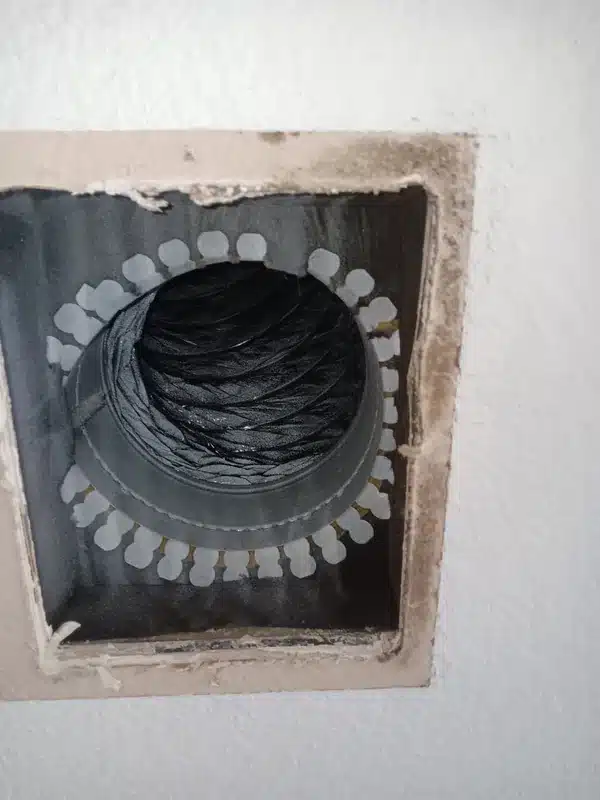
Dryer vent cleaning prevents one of the most common yet underestimated home hazards – dryer fires. Unlike whole-house air ducts, the dryer vent expels moist, lint-filled air from your laundry system. When lint accumulates in the vent line or transition hose, heat builds and can spark ignition. The U.S. Fire Administration (USFA) identifies clogged vents as a leading cause of residential fires each year. A professional dryer vent cleaning uses high-velocity air tools and flexible brush systems designed to safely remove lint obstructions from every section of the vent. Best practices require technicians to check airflow pressure, measure vent exhaust speed with an anemometer, and confirm that vent runs comply with International Residential Code (IRC) Section M1502, which limits length and requires smooth metal ducts. Excellent service includes:
- Full lint removal from the transition hose to the exterior outlet
- Verification of vent connections and fittings
- Airflow testing after cleaning
- Inspection for crushed or kinked ducts
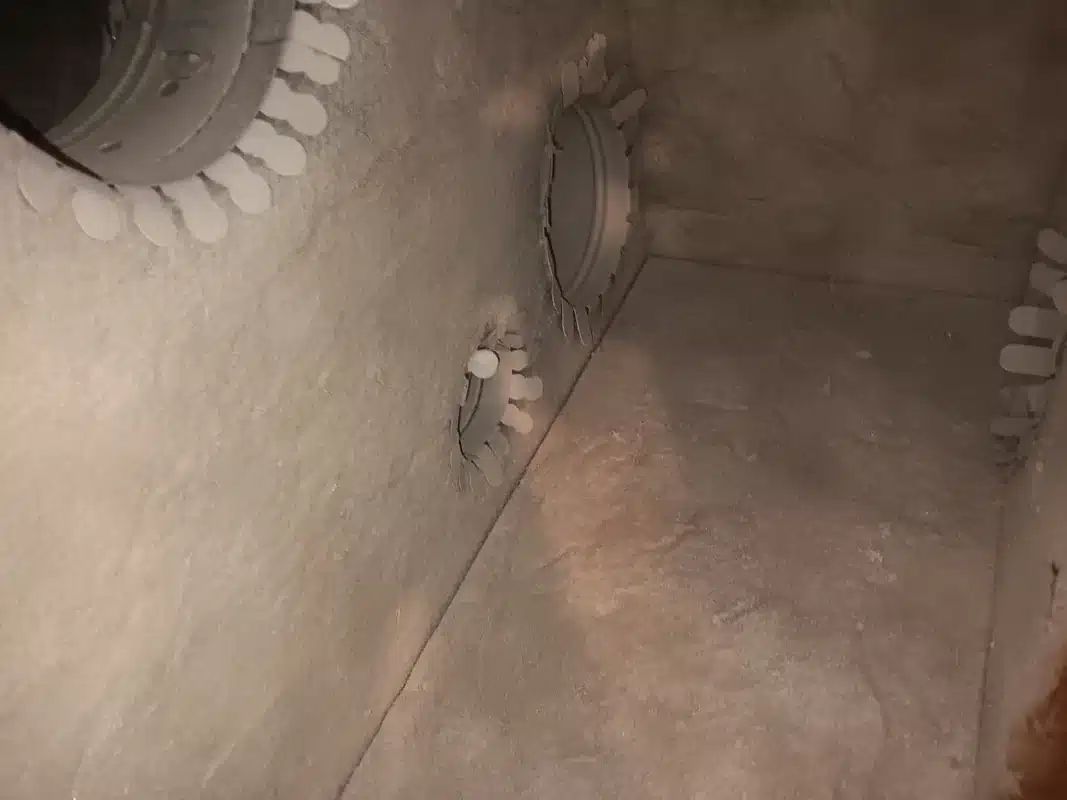
Direct comparison and homeowner decision guide.
When considering air duct cleaning vs dryer vent cleaning, homeowners should understand that each targets a different system function. Air ducts manage air distribution throughout the property, while dryer vents release laundry exhaust. Choosing the right service depends on which symptoms or risks you’re addressing.
A customer once requested both services after their HVAC performance and dryer efficiency dropped simultaneously. Our inspection revealed duct debris and vent lint packed near the termination cap – both systems needed attention. The job took around four hours. Estimate timelines typically run two to four hours for air duct cleaning and one to two hours for dryer vent cleaning. Costs fluctuate based on system length, contamination level, and accessibility. These figures are benchmarks only and not binding. If both services are neglected, homeowners face compounded safety, efficiency, and air quality risks. Learn more about complete HVAC system solutions by visiting Professional HVAC and Air Duct Cleaners in Minneapolis, MN.
| Criteria | Air Duct Cleaning | Dryer Vent Cleaning |
|---|---|---|
| System Focus | Whole-home HVAC air distribution network | Clothes dryer exhaust venting system |
| Primary Goal | Improve air quality and HVAC efficiency | Prevent lint buildup and reduce fire risk |
| Standard Authority | NADCA & EPA guidelines | USFA & IRC Section M1502 |
| Typical Cost Range | $400 – $900 | $125 – $250 |
| Risk of Neglect | Allergen buildup, poor airflow, high energy bills | Fire hazard, dryer damage, inefficient drying times |
| Recommended Frequency | Every 3 – 5 years (or after remodeling) | Annually, or more often in heavy-use households |
Not Sure Which Cleaning You Need?
If your HVAC system is struggling to keep your home comfortable or your dryer is taking longer to run, it is time to take action. Dust, debris, and lint buildup can harm air quality, raise energy bills, and even create fire hazards. Let American Air Duct Pros restore your system’s performance and safety with a detailed inspection and professional cleaning designed just for your home. Our certified experts use advanced diagnostic tools to pinpoint blockages and deliver results you can feel right away. Schedule your low-pressure consultation today and breathe easier knowing your air ducts and dryer vent are clean, efficient, and safe. Act now to protect your home’s comfort and your family’s health.
FAQs
What is the difference between air duct cleaning and dryer vent cleaning?
Air duct cleaning targets the entire ductwork connected to your heating and cooling equipment, removing accumulated dust, dirt, pet dander, mold spores, and other airborne particles that circulate throughout the home. This process helps improve airflow efficiency, reduce strain on the HVAC system, and promote cleaner, healthier indoor air. Dryer vent cleaning, on the other hand, addresses the vent line that directs moist, heated air from your dryer to the outside. Over time, lint, debris, and even bird nesting materials can collect in the vent, creating blockages that reduce dryer performance and significantly increase fire risk. Because these two systems serve completely different functions, they require separate maintenance. Homeowners often assume they are part of the same network, but they operate independently. Scheduling both services at appropriate intervals supports safety, energy efficiency, and consistent home comfort. A certified NADCA and USFA-compliant technician can assess airflow, equipment age, and usage levels to determine which cleaning should be prioritized. Keeping both the HVAC system and dryer vent properly maintained enhances overall household safety and indoor air quality, ensuring better performance and peace of mind throughout the year.
How often should each system be cleaned?
Experts generally advise scheduling professional air duct cleaning every three to five years, depending on your living environment and household activities. If you have recently completed major home renovations, noticed visible dust collecting around vents, or experienced a decline in air quality, it is wise to arrange cleaning sooner. Dryer vents, on the other hand, require more frequent attention. These should be cleaned at least once a year – or more often if you run multiple loads of laundry weekly or notice clothing taking longer to dry. Lint buildup creates a serious fire hazard because dryers generate strong airflow that stirs fine debris during each cycle. Routine maintenance improves indoor air quality, enhances energy efficiency, and helps extend the life of both your HVAC and dryer systems. Most professional services can clean both systems within a single convenient appointment, usually completed in just a few hours.
How much do air duct cleaning and dryer vent cleaning cost?
Air duct cleaning typically ranges from approximately $400 to $900, though the exact cost can vary based on several key factors such as system size, duct length, the number of vents, and the level of buildup or contamination present. Systems that require detailed cleaning due to heavy dust accumulation, mold, or pet dander may fall on the higher end of this range. Dryer vent cleaning generally costs between $125 and $250, depending on the total vent length, the accessibility of roof or exterior exhaust points, and the overall condition of the ductwork. Larger homes or commercial facilities with multiple zones can experience higher costs due to the additional labor and equipment needed. These price ranges serve purely as general estimates and should not be interpreted as fixed rates. A professional on-site evaluation is always required to determine accurate pricing and project scope.
Can I clean my own air ducts or dryer vent?
Homeowners can safely remove visible lint around the dryer terminal or vent cover, but more extensive cleaning of the vent or ductwork should always be left to professionals. Specialized equipment is required to ensure a thorough job. Professional technicians use advanced tools – including high-capacity negative-air vacuums, rotary brush systems, and video inspection cameras – to remove lint, dust, and debris without damaging the vent material. These tools create strong suction that household vacuums cannot replicate. Attempting a do-it-yourself cleaning risks compacting lint deeper into the vent or puncturing flexible ducts, which can restrict airflow and increase fire hazards. Regularly checking and cleaning the dryer filter is helpful, but it does not replace professional service. Scheduling professional duct cleaning ensures safety, improves efficiency, preserves equipment warranties, and maintains compliance with NADCA cleaning standards and local building codes.
What warning signs show I need these services?
For air ducts, pay close attention to signs that might indicate buildup or contamination within the system. Excessive dust accumulation around supply registers, frequent allergy or respiratory flare-ups among household members, or uneven airflow from one vent to another can all point to restricted or dirty ductwork. A musty or sour odor is another clear warning that microbial growth could be developing inside the ducts, especially if humidity levels are high. For dryer vents, extended drying times, overly hot appliances, or visible lint near the exterior vent are strong indicators of blockage. If your laundry space becomes noticeably warmer during each cycle, restricted exhaust flow is likely the cause. Acting promptly to clear or inspect these systems prevents mechanical strain, improves air quality, boosts energy efficiency, and helps avoid higher repair or replacement expenses in the future.
What are common issues found during these cleanings?
Air duct cleaning often reveals a surprising amount of debris including construction dust, pet hair, lint, and microbial residue that can accumulate over time and restrict airflow. During detailed inspections, we also identify disconnected or leaking ducts that quietly reduce system efficiency and contribute to uneven temperatures throughout the property. In dryer vent cleaning, crushed flexible ducts, loose or separated joints, and even bird or rodent nests are common discoveries, especially near exterior exhaust points. These obstructions not only hinder performance but also increase the risk of overheating and potential fire hazards. Our technicians document every issue using camera inspection footage and detailed reports so clients can clearly see problem areas. By correcting leaks, securing connections, and replacing unsafe materials according to NADCA and IRC standards, we improve indoor air quality, boost energy efficiency, and restore safe long-term operation.
What should I look for when hiring a professional cleaning company?
When selecting an air duct cleaning or vent maintenance company, it is essential to choose providers that are certified by NADCA or trained in vent and air system safety following USFA and IRC guidelines. Always request and confirm proof of liability insurance, active licensing, and verifiable references from previous clients. Qualified technicians should present a detailed written scope of work that includes the methods and tools they plan to use, such as HEPA-filtered vacuum systems, rotary brush mechanisms, compressed air whips, or video camera inspections to confirm thorough cleaning. Be cautious of companies promoting unusually low prices, since this can signal the use of inferior equipment or incomplete service. Reputable providers offer full transparency, demonstrate each step of the process, share before-and-after documentation, and reseal all duct access points once cleaning is complete. Consistent adherence to recognized industry standards and open communication are strong indicators of professionalism, safety awareness, and long-term value for your home’s indoor air quality.
Is this considered an emergency service?
Air duct or dryer vent cleaning is generally not classified as an emergency service, yet certain warning signs indicate that prompt attention is necessary. If you detect the scent of burning lint, feel that the dryer surface is unusually hot, or see visible smoke, lint buildup, or debris coming from the vent, immediately turn off and unplug the dryer. Allow it to cool before arranging for professional inspection. In HVAC systems, sudden decreases in airflow, new or persistent odors, or unexpected shifts in indoor air quality can also signal that your ductwork requires prompt cleaning. While these situations may not demand emergency intervention, ignoring them can create serious hazards such as increased fire risk, higher energy consumption, or system inefficiency. Scheduling cleaning soon after recognizing these signs helps preserve safety, reduce costs, and maintain healthy air circulation throughout your home or business.