
Air Duct Sanitizing Services: Eliminate Odors & Improve Air Quality
March 23, 2026
- By
- American Air Duct Pros
- HVAC and Air Duct Cleaning Specialists
At American Air Duct Pros, we’ve been helping homeowners improve indoor air quality through professional ventilation services for years. We’ve seen that clean ducts alone aren’t always enough – bacteria, mold spores, and odor-causing contaminants can linger even after standard cleaning. That’s where air duct sanitizing services provide lasting results. In this guide, our team shares what to look for, how the process works, and what makes it worth considering. You can also read more about our professional air duct cleaning work for background. A homeowner once called after multiple air fresheners barely masked a musty odor. When we inspected the ducts, mold growth inside return vents explained everything. Ignoring such contamination not only worsens air quality but can also increase exposure to allergens. This article helps you decide when air duct sanitizing is right for you and what to expect from professional service.”
Understanding professional standards and realistic expectations
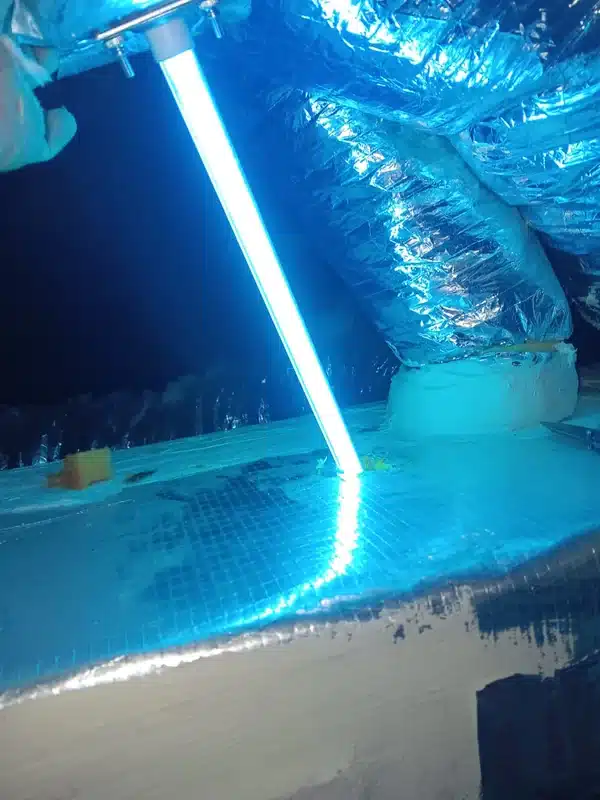
Professional air duct sanitizing services should follow evidence-based best practices guided by NADCA’s ACR Standard and EPA disinfection usage regulations. The right provider will start with a mechanical cleaning, measure air particulate concentration, and confirm the system is moisture-free before applying any sanitizer. This step ensures the product works properly and avoids corrosion or odor masking instead of elimination. When comparing service options, homeowners should look for these quality markers:
- Use of EPA-registered sanitizing products labeled for HVAC systems
- Technicians trained under NADCA or equivalent standards
- Equipment that delivers controlled fog dispersion for uniform coverage
- Clear documentation of products used and safety data sheets (SDS)
- Post-service odor and particle verification or before/after imaging
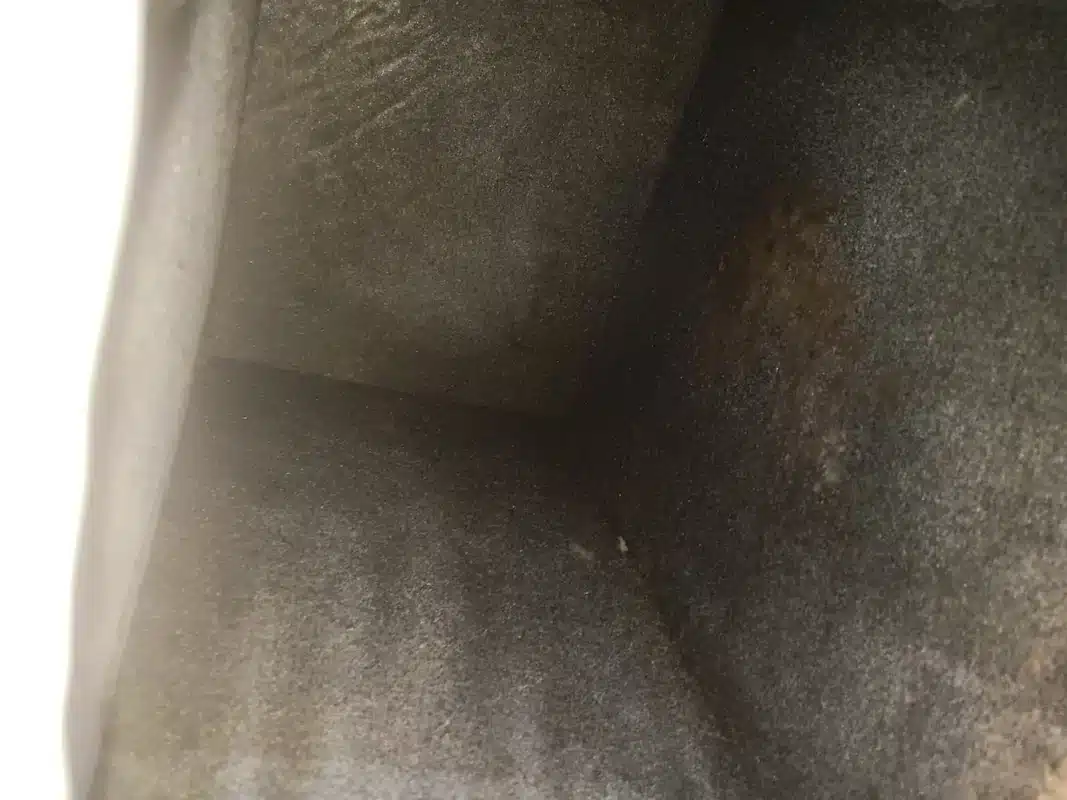
Questions to ask before scheduling a service
Comprehensive air duct sanitizing has several steps, each vital to ensure effectiveness. An informed homeowner can make better decisions by asking the right questions before contracting a service. Typical questions include: What type of sanitizer will be used? Is it EPA-approved for HVAC systems? How long must the system remain off afterward? The professional process generally includes:
- System inspection and debris removal through vacuum extraction
- Moisture checks in coils and plenums
- Application of sanitizer through ULV fogging or electrostatic sprayers
- Post-treatment drying and air circulation test
Get Expert Guidance on Cleaner Indoor Air
If you are still smelling lingering odors or experiencing allergy flare-ups even after cleaning, it is time to take decisive action. American Air Duct Pros specializes in advanced duct sanitizing that eliminates hidden contaminants rather than simply masking the problem. Our NADCA-trained technicians use EPA-registered products and professional-grade fogging systems to target mold spores, bacteria, and allergens at the source. Cleaner air can mean fewer allergy symptoms, better respiratory health, and greater comfort in every room. Acting now prevents buildup that can compromise your system later. Do not wait for problems to grow. Schedule your comprehensive inspection today and let our expert team restore fresh, healthy airflow throughout your home. Your cleaner, safer indoor environment starts the moment you call.
FAQs
What is the difference between duct cleaning and duct sanitizing?
Duct cleaning and sanitizing serve distinct yet complementary purposes within a building’s HVAC maintenance routine. Duct cleaning focuses on removing accumulated particles such as dust, lint, and debris that gather on the interior metal surfaces of ventilation ducts. Technicians employ specialized tools, including rotary brushes, vacuum hoses, and negative-air machines, to loosen and extract the buildup without releasing it back into the environment. Once the ductwork is thoroughly cleaned and inspected, duct sanitizing begins. This phase involves applying EPA-registered disinfectants through controlled fogging or misting systems to reach all interior surfaces evenly. The goal is to eliminate or neutralize biological contaminants like bacteria, viruses, mold spores, and odor-causing microorganisms. By performing sanitizing immediately after cleaning, professionals ensure the disinfectant bonds effectively. Together, these services extend HVAC efficiency and significantly improve indoor air quality.
How often should air ducts be sanitized?
The ideal frequency for air duct sanitizing varies based on environmental factors, household activities, and the system’s operational history. In most residential settings, sanitizing every two to four years is adequate, especially following a thorough cleaning of the ductwork. Homes with pets, smokers, infants, or individuals sensitive to allergens often require more frequent treatment to ensure a cleaner and healthier indoor environment. Whenever water intrusion, mold growth, or pest contamination occurs, an immediate sanitizing procedure is recommended to stop bacteria and fungi from circulating through the system. According to NADCA recommendations, ducts should also be cleaned and sanitized whenever visible buildup is present or when persistent odors remain even after filter replacement. Regular inspections, stable humidity levels, and timely maintenance all contribute to longer intervals between required sanitizing sessions while preserving efficient, hygienic airflow.
How much do air duct sanitizing services cost?
Pricing for professional duct sanitizing services can differ significantly depending on several variables, including the overall size of the HVAC system, the design of the ductwork, and the extent of contamination present. For most residential properties, the average cost typically ranges between $200 and $800 for a complete treatment of the interior duct surfaces. Smaller homes or systems that show minor dust accumulation and little microbial growth are generally priced at the lower end of this scale. In contrast, properties with large or complex duct layouts, or units contaminated by mold spores, bacteria, or heavy debris, will require more extensive labor and higher-grade sanitizing agents, increasing the total price. Additional cost factors may include accessibility of vents, use of eco-friendly solutions, material expenses, and regional labor rates. Many contractors also offer combination packages that include duct cleaning and sanitizing at a discounted rate, offering greater overall value. Customers should view all stated prices as general estimates provided for educational reference rather than formal pricing commitments. Final quotes must always be based on an in-person inspection, during which technicians evaluate contamination levels, measure system dimensions, and determine the proper treatment plan required for optimal indoor air quality.
Can homeowners perform duct sanitizing on their own?
Although do-it-yourself sanitizing sprays are available, they usually address only surface-level grime and bacteria near vents or registers and cannot effectively deliver disinfectants throughout an entire duct network. True air system sanitizing requires commercial equipment such as ULV foggers or electrostatic applicators that generate precisely controlled particle sizes for uniform coverage of interior duct surfaces. Certified technicians rely on these systems because they meet strict NADCA and EPA standards that detail acceptable chemical concentrations, dwell times, and exposure limits to ensure cleaning agents are both effective and safe. By contrast, household products may contain corrosive components that harm protective duct coatings, degrade seals, or leave invisible residues circulating through indoor air. Homeowners can still contribute to cleaner environments by replacing filters on schedule, maintaining balanced humidity, and scheduling regular inspections. For lasting performance and health protection, professional sanitizing remains the most credible and scientifically verified solution.
What are the signs that my ducts need sanitizing?
Persistent or unpleasant odors – such as musty, smoky, or pet-related smells – can be among the first and most noticeable signs that your air ducts require thorough sanitizing. These odors often develop when moisture, dust, or organic matter accumulates inside the ductwork. Other clear indicators include visible mold growth around vents, recurring dust buildup shortly after cleaning, or frequent sneezing and allergy flare-ups when the HVAC system is operating. In some cases, dark or greasy streaks around air registers may point to residue or microbial buildup within the ducts. Uneven airflow, increasingly discolored filters, or an earthy smell near returns may also signal hidden contamination. A certified technician can assess the condition using moisture meters, particle counters, or bore-scope cameras to confirm the extent of internal growth. Early intervention helps maintain indoor air quality, prevents odor recurrence, protects equipment efficiency, and promotes a healthier home environment.
What causes lingering odors even after cleaning the ducts?
Persistent odors after cleaning usually indicate that biological residues remain inside the duct system. Even thorough mechanical agitation may not fully remove every trace of microbial film that clings to metal or fiberglass surfaces. When moisture from condensation, humid air, or minor leaks is present, bacteria and mold can survive and rapidly multiply. This growth causes recurring unpleasant smells that seem to return soon after cleaning. Components such as evaporator coils, drip pans, and humidifiers are frequent reservoirs for these microorganisms. Effective odor removal requires the use of specialized sanitizers that chemically neutralize odor molecules and inhibit further microbial growth. Reputable technicians rely on EPA-approved oxidizers or quaternary ammonium compounds for this process. Maintaining dry interior surfaces, replacing filters regularly, and following established NADCA service schedules will help ensure that odors do not reappear after sanitization.
What should I look for when hiring a duct sanitizing professional?
When selecting an HVAC sanitizing contractor, focus on professionals who hold certification through the National Air Duct Cleaners Association (NADCA) or a similar recognized organization. Certification indicates that the company follows established best practices and adheres to industry-specific safety guidelines. Verify that technicians apply only EPA-registered products designed specifically for HVAC systems instead of using general-purpose disinfectants, which may be ineffective or harmful to delicate components. Ask for copies of safety data sheets so you can review product ingredients, health warnings, and approved usage procedures. A reputable provider should also supply detailed before-and-after inspection documentation, giving you proof of the cleaning results. Responsible companies carry appropriate liability insurance, describe their full sanitizing process from initial inspection through fogging duration, and clearly define service scope and expected post-treatment outcomes. A reliable contractor prioritizes transparency, provides a written estimate, and ensures full compliance with recognized standards for odor and contamination removal.
Is air duct sanitizing considered an emergency service?
Air duct sanitizing is a form of preventive maintenance rather than an immediate emergency service. It focuses on preserving indoor air quality and preventing issues before they become serious. However, certain conditions that lead to the need for sanitizing – such as visible mold growth, pest activity, or strong damp or musty odors – should be treated as time-sensitive warning signs. Homeowners are advised to turn off their HVAC system if mold or dust appears near vents and to schedule a professional inspection as soon as possible, ideally within a few days. Mechanical failures like a broken blower, blocked air returns, or overheating components are more typical examples of true ventilation emergencies that demand instant attention. Still, early intervention with sanitizing services helps prevent allergens, microbial buildup, and long-term equipment corrosion. Taking prompt, measured action protects comfort, health, and system efficiency.