
Air Duct Cleaning vs HVAC Tune-Up: What’s Needed? A Clear Side-by-Side Guide
May 15, 2026
- By
- American Air Duct Pros
- HVAC and Air Duct Specialists
Air Duct Cleaning vs HVAC Tune-Up: What’s Needed? That question affects your indoor air quality, energy bills, equipment lifespan, and even whether your furnace makes it through a Minneapolis winter. At American Air Duct Pros, we’ve helped homeowners sort through this decision for years of experience, and we’ve noticed most people assume they’re the same service when they solve very different problems. We’ve seen the cost of that confusion. One Minneapolis homeowner scheduled a tune-up but skipped duct cleaning for over a decade. Their blower motor kept straining against restricted airflow, and by January the system shut down during a cold snap. The repair bill was far higher than either preventive service. Understanding the difference between air duct cleaning and a tune-up helps you invest in the right service at the right time.
What’s Required, What’s Recommended, and Why It Matters
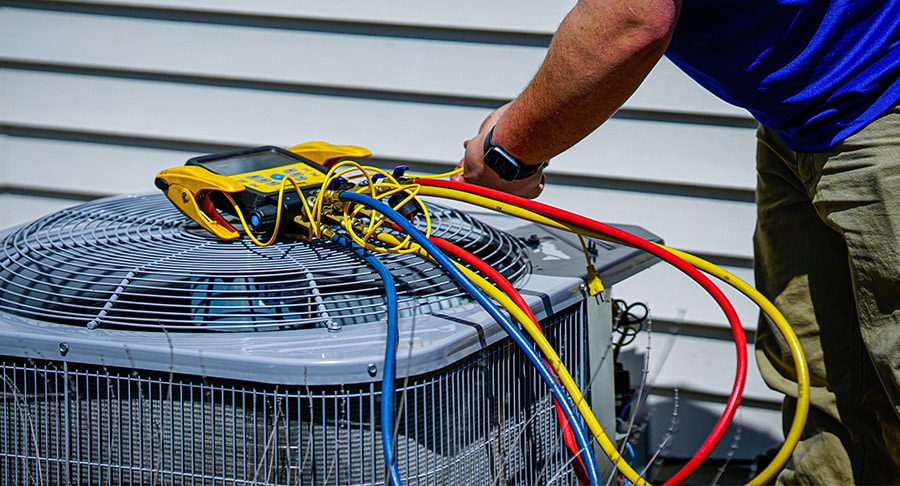
Minneapolis winters routinely drop below zero, placing heavy demand on furnaces and heat exchangers. That climate risk is exactly why code compliance and annual inspections matter. A tune-up is not just a courtesy check; it directly ties into fuel safety, combustion efficiency, and venting standards enforced under Minnesota’s adopted mechanical and fuel gas codes. An HVAC tune-up focuses on the equipment itself: furnace, air handler, condenser, and controls. We test combustion with a calibrated combustion analyzer, measure temperature rise across the heat exchanger, verify gas pressure with a manometer, inspect the flame sensor, check capacitor microfarad ratings, and confirm refrigerant pressures against manufacturer specifications. We also lubricate motors where applicable and inspect vent connectors for corrosion.
- 2020 Minnesota State Mechanical Code (Minnesota Rules Chapter 1346) – Governs installation and maintenance of mechanical systems, including duct connections, clearances, and combustion air. Non-compliance can lead to failed inspections and unsafe operation.
- 2020 Minnesota State Fuel Gas Code (Minnesota Rules Chapter 1346, adopting IFGC) – Regulates gas piping, shutoff valves, and venting. Improper maintenance can create carbon monoxide risks and insurance liability.
- Minneapolis Code of Ordinances, Title 11 – Health and Sanitation – Addresses housing maintenance standards, including safe heating equipment in rental properties. Violations can result in citations or required repairs.
How to Choose the Right Service for Your System
Air duct cleaning and HVAC tune-ups serve different purposes. One addresses airflow pathways; the other protects the mechanical heart of the system. Choosing correctly depends on your symptoms and maintenance history.
In our experience, a homeowner with constant dust but a newer furnace often benefits most from duct cleaning. A homeowner with rising energy bills and short cycling likely needs a tune-up first. One customer scheduled cleaning when their AC kept shutting off. Static pressure was normal, but the capacitor had dropped below rated microfarads. A simple tune-up resolved it. Costs may fluctuate based on site complexity, material costs, and total scope. These figures are preliminary benchmarks for informational purposes only and do not constitute a binding quote. An on-site evaluation is required for a final proposal. Which should you choose?
| Criteria | Air Duct Cleaning | HVAC Tune-Up |
|---|---|---|
| Primary Focus | Ductwork and airflow pathways | Furnace, AC, and mechanical components |
| Main Benefit | Improved airflow and reduced dust | Improved efficiency and safety |
| Typical Frequency | Every 3 – 5 years (varies by home) | Annually (heating and cooling seasons) |
| Time Required | 2 – 4 hours for average home | 1 – 2 hours per system |
| Cost Range (Minneapolis) | May range from $400 – $900+ | Typically $150 – $350 per visit |
| Primary Risk if Ignored | Restricted airflow, dust recirculation | Breakdowns, carbon monoxide risk |
- If it’s been over a year since equipment service: start with a tune-up.
- If you’ve remodeled or see debris at vents: schedule duct cleaning.
- If both are overdue: plan tune-up first, then cleaning for balanced airflow and safety.
Not Sure Which Service You Need?
If you’re weighing Air Duct Cleaning vs HVAC Tune-Up: What’s Needed?, we can help you sort it out without pressure. We start with a straightforward assessment of your equipment condition, airflow, and maintenance history. From there, we explain what’s necessary now and what can reasonably wait. Our goal is to prevent mid-winter breakdowns, reduce long-term repair costs, and keep your indoor air cleaner without recommending services you don’t need. Whether your concern is dust buildup, uneven temperatures, or an aging furnace heading into another Minneapolis winter, we’ll outline practical next steps based on real measurements and code requirements. Schedule an evaluation and get clear answers before small issues turn into expensive repairs.
FAQs
Do most Minneapolis homes need both air duct cleaning and an HVAC tune-up?
Many homes eventually need both, but not always at the same time. In Minneapolis, furnaces run for long heating seasons, so annual tune-ups are strongly recommended to maintain safe combustion and efficiency. Duct cleaning, on the other hand, depends more on conditions inside the home. If you’ve completed a remodeling project, have multiple pets, or notice visible debris at registers, duct cleaning may move up the priority list. If your furnace hasn’t been professionally serviced in over a year, a tune-up should come first because it directly affects safety and reliability. We often advise homeowners to treat tune-ups as routine maintenance and duct cleaning as a periodic corrective service. During an inspection, we measure static pressure, inspect blower components, and check filter condition. Those findings help determine whether airflow restriction is coming from dirty ducts or mechanical inefficiency. A targeted approach prevents overspending while keeping your system operating safely.
Will air duct cleaning lower my energy bills?
Air duct cleaning can improve efficiency if airflow is restricted by heavy debris buildup, but it is not a guaranteed energy-savings service on its own. When ducts are significantly obstructed, the blower motor works harder to move air. That added strain can increase electrical usage and wear out components faster. However, if your ductwork is relatively clean and your system is losing efficiency due to dirty coils, weak capacitors, or incorrect refrigerant charge, a tune-up will produce more measurable savings. We verify airflow using static pressure readings and compare temperature splits across the evaporator coil to determine where losses occur. In our experience, homeowners who combine proper filtration (such as manufacturer-approved MERV-rated filters) with annual tune-ups see more consistent energy performance than those who rely on duct cleaning alone. The right service depends on what testing reveals, not assumptions.
How much do air duct cleaning and HVAC tune-ups cost in Minneapolis, and how long do they take?
In Minneapolis, air duct cleaning may range from $400 to $900 or more for an average single-family home, depending on the number of vents and system layout. HVAC tune-ups typically start around $150 and can reach $350 per system, especially if both heating and cooling components are serviced. Timeframes differ as well. A full duct cleaning often takes 2 – 4 hours with a two-person crew using negative air equipment. A standard furnace or AC tune-up generally takes 1 – 2 hours. Pricing and timing can vary based on:
- Site complexity and accessibility of duct runs
- Material costs or replacement parts required
- Total scope, such as multiple systems or add-on services
Can I clean my own air ducts or tune up my HVAC system?
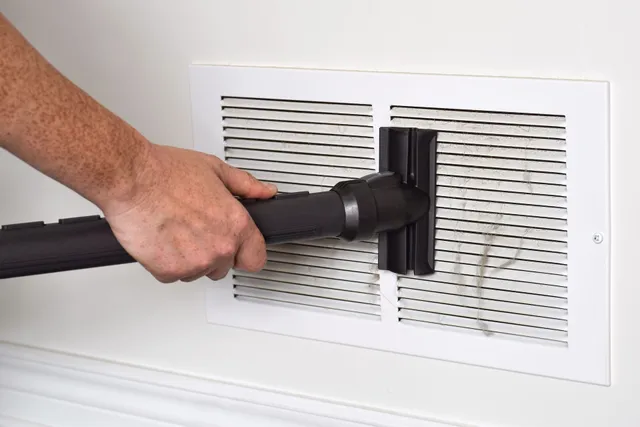
Homeowners can handle basic maintenance, such as replacing filters every one to three months and keeping supply and return vents unobstructed. You can also gently vacuum vent covers after removing them. Those steps support airflow and reduce dust accumulation. Full duct cleaning, however, requires specialized equipment capable of maintaining negative pressure throughout the system. Shop vacuums and household brushes cannot reach deep trunk lines or dislodge compacted debris effectively. Improper cleaning may even damage flex ducts. HVAC tune-ups involve gas pressure testing, combustion analysis, electrical diagnostics, and refrigerant checks. Those tasks require calibrated instruments and familiarity with Minnesota’s mechanical and fuel gas codes. Incorrect adjustments can create safety hazards, including carbon monoxide exposure. For anything beyond filter changes and basic cleaning, professional service protects both equipment and occupants.
What are the warning signs that I need one service over the other?
Signs you may need air duct cleaning include visible dust blowing from registers, musty odors when the fan runs, or heavy debris after a renovation. Excessive dust accumulation on furniture shortly after cleaning can also indicate duct contamination. Warning signs that point toward a needed tune-up include short cycling, inconsistent temperatures between rooms, rising utility bills, unusual burner flame color, or loud startup noises from the furnace. If you notice soot near the burner compartment or corrosion on vent connectors, schedule service promptly. We encourage homeowners to pay attention to airflow strength. Weak airflow with a clean filter often suggests duct restriction or blower issues. Measuring temperature rise and static pressure provides objective answers. Acting early reduces the likelihood of emergency repairs during peak winter demand in Minneapolis.
What common HVAC issues do you see in Minneapolis homes?
Minneapolis homes frequently deal with long heating seasons, older duct systems in historic properties, and tight building envelopes in newer construction. In older homes, we often see undersized return ducts that create high static pressure, stressing blower motors. In newer homes, high-efficiency furnaces require precise venting and condensate management. Another common issue is neglected humidification control during winter. Dry air leads homeowners to close vents or adjust dampers incorrectly, disrupting airflow balance. We also see evaporator coils clogged from inadequate filtration, especially when low-quality filters are used. Because temperatures drop well below freezing, any minor mechanical weakness becomes obvious quickly. That is why annual tune-ups before winter and periodic duct inspections are especially important here. Preventive service is far less disruptive than a no-heat call during a January cold snap.
What should I look for when hiring an air duct cleaning or HVAC company?
Start by verifying licensing and insurance. In Minnesota, mechanical contractors must comply with state building and mechanical code requirements. Ask whether technicians are trained in combustion analysis and whether the company follows NADCA standards for duct cleaning. Request details about equipment. Professional duct cleaning should involve negative air machines and agitation tools, not just a basic vacuum. For tune-ups, ask if the technician measures gas pressure, tests capacitors, and checks temperature rise rather than performing only a visual inspection. Clear pricing, written scopes of work, and before-and-after documentation also indicate professionalism. Companies should explain findings in plain language and connect recommendations to measurable conditions. Choosing a qualified provider reduces the risk of incomplete work, code violations, or preventable breakdowns.
When should I schedule service if nothing seems wrong?
If your system appears to be running normally, schedule furnace tune-ups in early fall and AC tune-ups in spring. That timing allows adjustments before peak seasonal demand. Even when no obvious symptoms are present, wear and minor calibration issues can develop gradually. For duct cleaning, consider scheduling every three to five years, or sooner after major remodeling, water damage, or if occupants experience increased allergy symptoms. There is usually no emergency component unless you detect strong odors, visible mold growth, or significant airflow restriction. If you are unsure, monitor filter condition and airflow at vents. Keep carbon monoxide detectors operational and replace batteries annually. Planning preventive service during off-peak months in Minneapolis often allows for more flexible scheduling and reduces the likelihood of urgent winter breakdowns.