
Ever walk into a room that feels like a sauna while the rest of your house is perfectly cool? Or maybe your bedroom stays freezing no matter how high you crank the thermostat? We see this all the time, and it’s super frustrating. The good news is you don’t need to replace your entire HVAC system to fix it. A simple air duct booster fan can make a huge difference in how air moves through your home. These handy devices tackle uneven temperatures and help your heating and cooling system work smarter, not harder. Let’s talk about how they work and why they might be exactly what your home needs.
What Is an Air Duct Booster Fan?
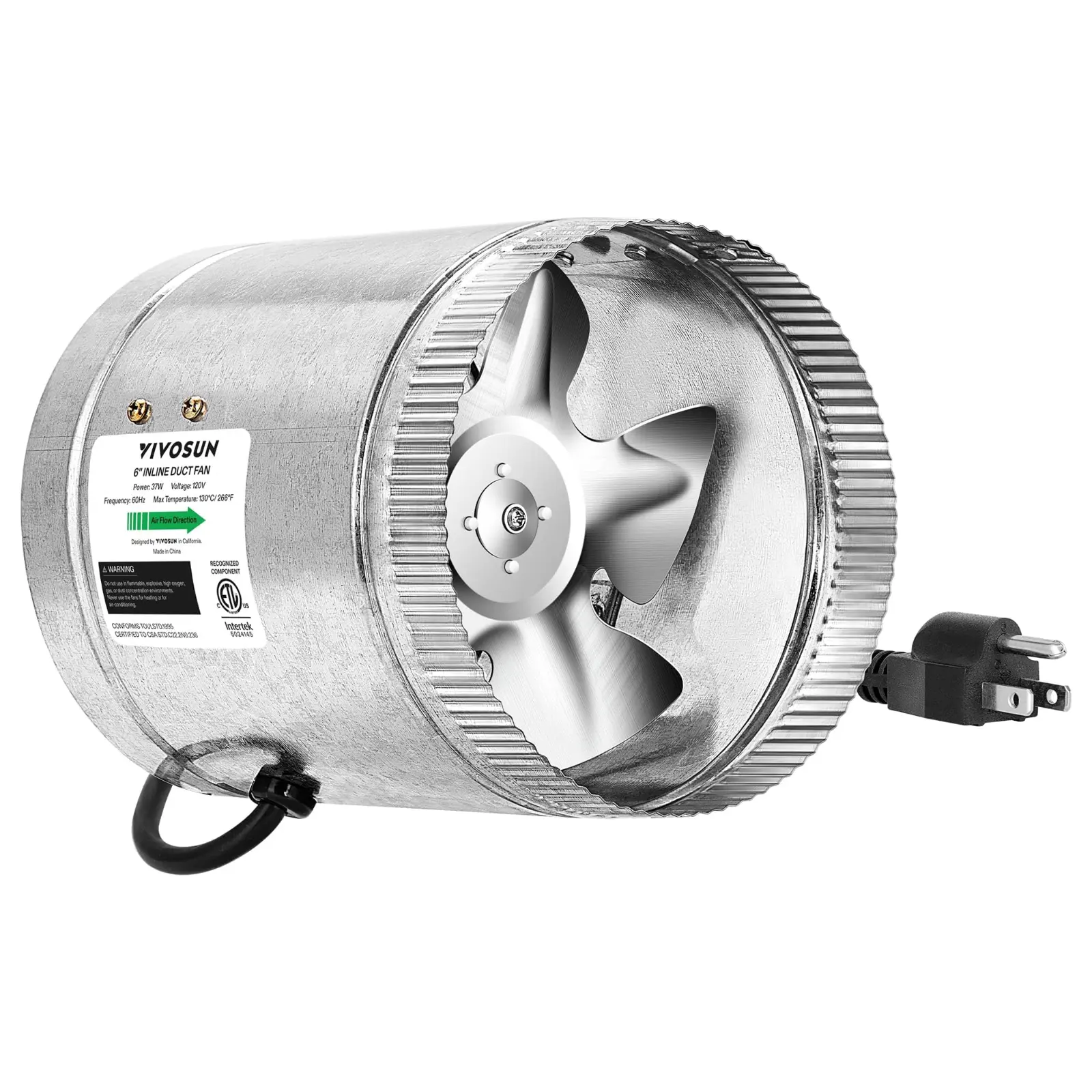
Think of an air duct booster fan as a helper for your HVAC system. It’s basically a small fan installed in your ductwork or on a register. Its job is to push air into areas your main system can’t quite reach. Some rooms in your house are just harder to heat or cool. Maybe they’re far from the furnace, or the duct run is too long.
That’s where these fans come in. They give the air an extra push to reach those stubborn spots. You can find them in two main types. Register models sit right on your floor or wall vent. Inline versions go inside the actual ductwork. Both do the same basic thing, but inline fans pack more power for longer distances.
Common Airflow Problems in Homes
We’ve been in countless homes where airflow is just plain wonky. The 2nd floor feels like an oven in summer. The 1st floor stays chilly all winter. Maybe one bedroom is always stuffy, while another has great ventilation. These issues drive people crazy, and they’re more common than you’d think.
Your duct system might have problems you can’t even see. Long runs lose pressure along the way. Poor duct design creates dead zones where air barely reaches. Sometimes builders cut corners or add rooms without updating the HVAC. Whatever the cause, your air conditioner or furnace works overtime trying to compensate. That means higher bills and a system that wears out faster.
How Duct Booster Fans Improve HVAC Efficiency
Here’s where things get interesting. When you add an air duct booster fan to problem areas, you’re solving multiple issues at once. These fans increase air pressure in specific ducts without making your whole system work harder. They target the exact spots that need help. Your furnace or air conditioning unit doesn’t have to push as hard to reach distant rooms.
Better airflow means better efficiency across your entire setup. The system cycles less frequently because it reaches your target temperature faster. Less cycling means less wear on components and lower energy use. We’re talking real savings on your monthly bills. Plus, every room finally feels comfortable instead of playing temperature roulette.
Register Booster Options
Register air duct booster fans are the easiest option for most homeowners. You literally just place them over your existing floor or wall vent. Most plug into a standard outlet, so no special wiring is needed. They’re perfect for rooms that are just slightly underserved by your current system.
These fans usually move air at rates between 100 and 200 CFM (cubic feet per minute). That’s plenty for a single room or small space. Many models come with automatic sensors that turn on when they detect airflow from your HVAC. Others have manual switches or variable speed controllers. The noise level is typically pretty low, around 2-4 sones. You’ll barely notice them running.
Inline Duct Fan Benefits
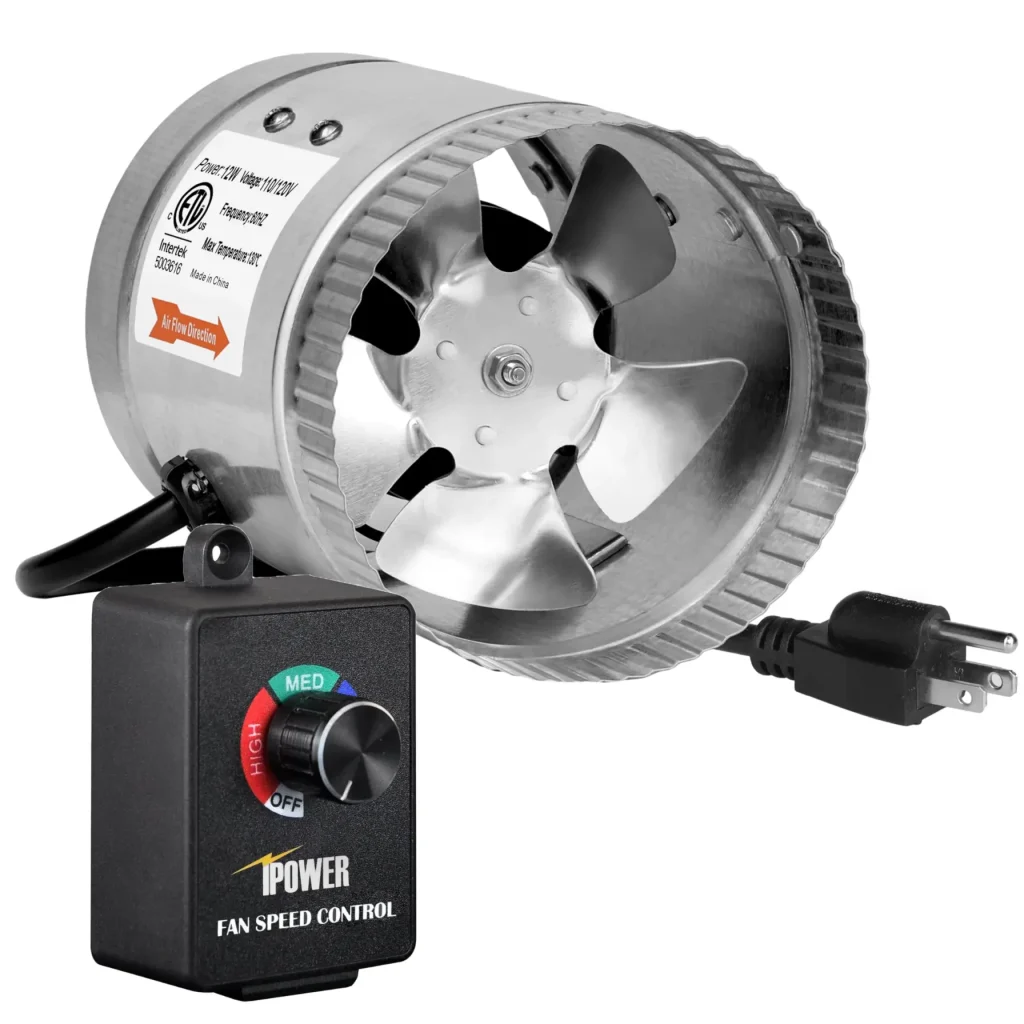
Inline fans are the heavy hitters of the air duct booster world. These mount directly inside your ductwork, usually in the attic or crawlspace. They handle much higher CFM ratings, sometimes 400 or more. If you’ve got a long duct run or need to push air to multiple rooms, inline models are your best bet.
Installation takes a bit more work since they go inside the ducting. You might need a pro to cut into your ducts and wire the fan properly. But the payoff is worth it. Mixed flow inline designs are ultra-quiet despite moving a significant air volume. Some models, like those from Tjernlund or Suncourt, offer high efficiency ratings and come with speed controllers. They’re built to run constantly without driving up your power bill.
Key Benefits of Installing an Air Duct Booster Fan
Let’s get real about what these fans actually do for you. First off, they fix those annoying hot and cold spots. No more fighting over the thermostat or piling on blankets in one room while sweating in another. Everyone stays comfortable, and that peace of mind is huge.
Second, you’re extending the life of your main HVAC equipment. When your furnace or AC doesn’t strain to reach every corner, it lasts longer. We see this all the time. Systems that used to cycle constantly start running normally. That means fewer repair calls and a longer lifespan before replacement. Here’s what else you get:
- Lower monthly energy bills from improved system efficiency
- Better air circulation reduces stuffy or stale air
- Quick installation without major renovations
- Affordable solution compared to ductwork redesign
- Compatible with existing smart thermostats like Ecobee
Third, you might avoid expensive ductwork modifications. Ripping out and replacing ducts costs thousands. An air duct booster fan costs a couple of hundred bucks at most. That’s a no-brainer return on investment.
Choosing the Right Air Duct Booster Fan for Your Home
Picking the right air duct booster fan matters more than you might think. Start by figuring out what you actually need. Are you fixing one room or multiple spaces? How far is the problem area from your main unit? Is the duct run straight or full of bends? These questions help narrow down your options.
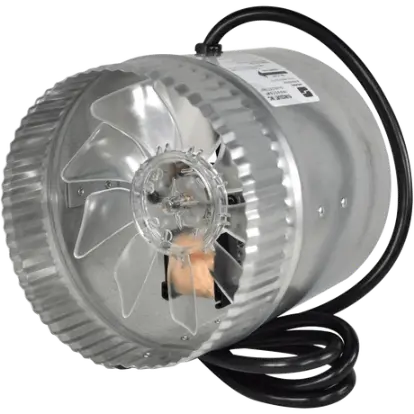
For single rooms with minor issues, a register fan works great. Look for ones with automatic damper controls that prevent backflow. Models with low noise levels around 1-2 sones keep things quiet. If you’re dealing with serious distance or multiple rooms, go in line. Check the CFM rating matches your duct size. A 6-inch duct fan works differently from an 8-inch model.
Pay attention to features like variable speed settings and included power cords. Some fans need hardwiring while others plug in. Think about noise, too. Nobody wants a loud fan running constantly. Read reviews about actual noise levels, not just manufacturer specs. Brands like Suncourt and others make reliable units with good warranties.
Making the Most of Your Air Duct Booster Fan
Once you’ve got your fan installed, keep it maintained for best results. Clean or replace filters regularly if your model has them. Dust buildup hurts performance and makes fans work harder. Check connections every few months to make sure everything stays tight and secure. Loose wiring can cause problems or reduce efficiency.
Consider pairing your air duct booster with a smart thermostat for even better control. Many newer thermostats work great with vent fans and let you manage zones separately. You can set schedules so fans only run when needed. This maximizes savings while keeping comfort high.
Don’t forget about your main system either. Even with air duct booster fans helping out, regular HVAC maintenance matters. Change your main filters on schedule. Get annual tune-ups to keep everything running smoothly. Think of air duct booster fans as teammates with your furnace and AC, not replacements. Together, they create a balanced, efficient system that keeps your whole house comfortable year-round without breaking the bank.
Contact Us Today!
Frequently Asked Questions
Q: Will an air duct booster fan work with my existing HVAC system?
A: Yes, most air duct booster fans work with any forced-air heating or cooling system. They don’t interfere with your furnace or AC operation. Register models simply sit on existing vents, while inline versions integrate into your ductwork. Both types complement your current setup regardless of brand or age. Just make sure the fan’s CFM rating matches your duct size for inline models. They’re designed to enhance, not replace, your existing equipment.
Q: How much does it cost to install an air duct booster fan?
A: Register booster fans cost between $50-$200 and install in minutes without professional help. Inline duct fans run $100-$400 depending on size and power. Professional installation for inline models adds $150-$300 to the total. That’s still way cheaper than redoing ductwork, which costs thousands. Most homeowners recoup their investment through lower energy bills within a year or two. It’s an affordable fix for temperature problems.
Q: Are air duct booster fans noisy when running?
A: Most modern air duct booster fans are surprisingly quiet. Register models typically produce 2-4 sones of noise, about as loud as a refrigerator hum. Quality inline fans operate at 1-3 sones despite moving more air. You’ll barely notice them during normal operation. Cheaper models might be louder, so check reviews before buying. Look for fans with insulated housings or vibration dampening features. Proper installation also reduces noise significantly.
Q: How much energy does an air duct booster fan use?
A: Air duct booster fans are super energy-efficient. Most register models use just 20-50 watts, less than a standard light bulb. Inline fans might consume 50-150 watts depending on size and speed settings. Running one constantly costs maybe $5-$15 monthly. The energy savings from improved HVAC efficiency usually offset this cost completely. Your main system cycles less, which saves way more power than the fan uses.
Q: Can I install an air duct booster fan myself?
A: Register fans are totally DIY-friendly. Just place them over your vent and plug them in. No tools or special skills needed. Inline fans require more work since you’re cutting into ductwork and potentially running electrical wiring. If you’re handy with basic tools and comfortable working in attics or crawlspaces, you can tackle it. Otherwise, hiring a professional ensures proper installation and prevents airflow issues or electrical problems down the road.