
Best Time of Year to Clean Air Ducts in Minnesota: A Practical Homeowner’s Guide
April 28, 2026
- By
- American Air Duct Pros
- Air Duct Cleaning Specialists
At American Air Duct Pros, we’ve spent years helping homeowners decide the best time of year to clean air ducts in Minnesota. If you’re weighing your options, this guide will walk you through what actually matters – system performance, indoor air quality, and avoiding seasonal HVAC strain. In Minneapolis, we’ve seen homes coated with fine drywall dust after winter renovations, only for that debris to circulate through the system during spring startup. For related maintenance timing, visit our air duct cleaning guide. Waiting too long can mean higher energy bills and unnecessary wear on your furnace or AC. We’ve inspected systems where clogged returns restricted airflow so severely that heat exchangers overheated, triggering safety shutoffs at the worst possible time – during a January cold snap.
Pros, Cons, and What to Watch For

The most effective duct cleaning schedules align with HVAC demand cycles. Cleaning right before heavy-use seasons helps ensure unrestricted airflow and cleaner indoor circulation. Planning around Minnesota’s climate is not optional – it directly affects system strain and indoor air quality. Here’s how the seasons compare:
- Early Spring (March – May): Ideal after a long heating season. Removes winter dust, pet dander, and combustion byproducts before AC startup. Scheduling is often more flexible.
- Early Fall (September – October): Prepares the furnace for extended operation. Particularly smart if you completed summer remodeling.
- Mid-Winter: Possible, but systems are running constantly. Shutting down heating even briefly can be disruptive in Minneapolis.
- Peak Summer: AC demand is high. If coils and ducts are heavily soiled, cleaning may improve airflow but scheduling can be tighter.

Process, Costs, and Scheduling in Minneapolis
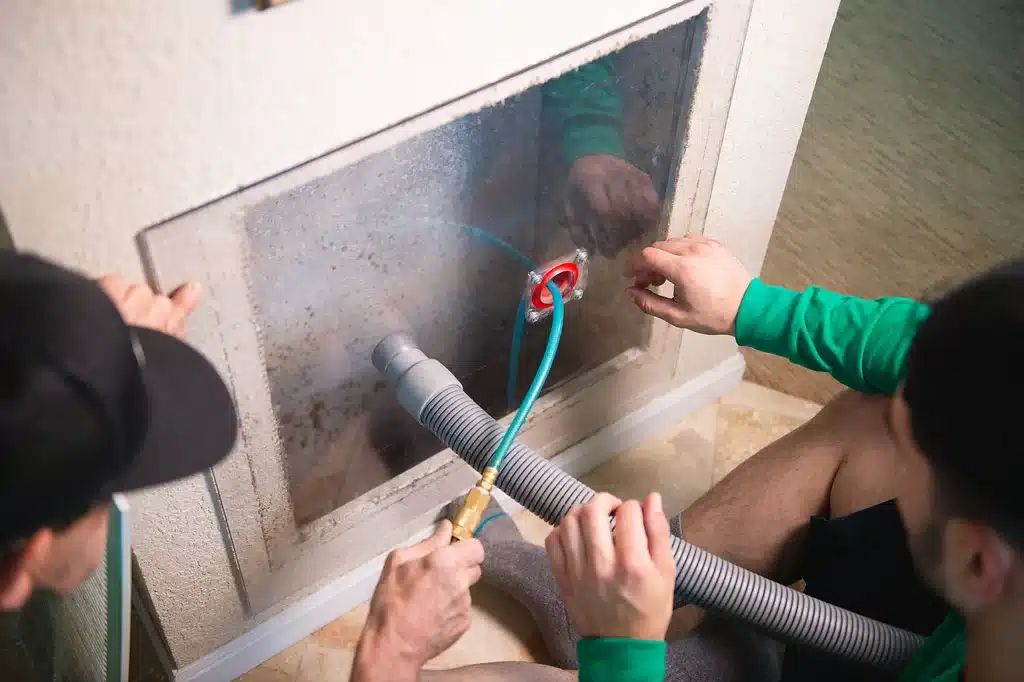
Once you’ve narrowed down the best time of year to clean air ducts in Minnesota, confirm the scope and process before booking. A professional service should begin with a visual inspection – often using camera systems – to assess buildup inside trunk lines and branch ducts. Ask these questions:
- Are you following NADCA ACR standards?
- Will you use HEPA-filtered negative air machines?
- Are the blower motor and air handler components included?
- How long will the service take?
Get Expert Guidance Before You Schedule
Choosing the best time of year to clean air ducts in Minnesota affects your comfort, utility costs, and HVAC lifespan. We help homeowners evaluate seasonal timing, system condition, and overall indoor air quality before making a decision. If you’re unsure whether spring or fall makes more sense for your home in Minneapolis, our team can assess your ductwork and provide a clear recommendation. Schedule a professional evaluation so you can move forward with confidence and avoid preventable system strain.
FAQs
When is the absolute best time of year to clean air ducts in Minnesota in Minneapolis?
For most homes in Minneapolis, early spring or early fall works best. Spring cleaning removes debris that accumulated during heavy winter furnace use, while fall service prepares your heating system for months of continuous operation. These shoulder seasons also allow easier scheduling and minimal disruption because HVAC systems are not running nonstop. If your home recently underwent remodeling or you notice visible dust from vents, timing may shift earlier. The key is to clean before peak heating or cooling demand so your system operates efficiently during extreme Minnesota temperatures.
How often should air ducts be cleaned in Minnesota homes?
Most households benefit from professional duct cleaning every 3 – 5 years, though that interval can shorten if you have pets, allergies, or recent renovations. Minnesota winters keep homes sealed tightly for months, which increases dust recirculation. If you’ve replaced flooring, sanded drywall, or experienced rodent activity, schedule cleaning sooner. We also recommend inspection after installing a new furnace or AC system to prevent debris from affecting new equipment. Regular filter changes – every 1 – 3 months depending on MERV rating – help extend the time between full cleanings.
How much does duct cleaning cost and how long does it take?
In Minneapolis, professional duct cleaning may range from $400 to $900 for a typical single-family home. Larger homes or properties with multiple HVAC systems can exceed that range. Service typically takes 3 – 5 hours depending on layout and contamination level. Pricing can fluctuate based on site complexity, material costs, and total scope of work. Heavily soiled systems requiring coil cleaning or sanitizer application may increase time and cost. These figures are preliminary benchmarks for informational purposes only and do not constitute a binding quote. An on-site evaluation is required for a final proposal.
Can I clean my air ducts myself?
Homeowners can clean vent covers, vacuum accessible openings, and replace filters. However, full duct cleaning requires negative air pressure equipment, rotary agitation tools, and HEPA filtration to prevent cross-contamination. Standard shop vacuums lack sufficient suction and containment. Improper DIY attempts often dislodge debris without removing it, pushing contaminants deeper into branch lines. For light dust around registers, DIY maintenance is reasonable. For visible buildup, musty odors, or post-construction debris, professional service ensures proper source removal and protects HVAC components.
What are signs my ducts need cleaning?
Watch for dust blowing from supply vents, uneven airflow between rooms, persistent musty odors when the system runs, or rapid filter clogging. Increased allergy symptoms indoors can also signal buildup. In Minneapolis, homes that rely heavily on heating for long winters may accumulate fine particulates inside return ducts. If you remove a vent cover and see matted debris or pet hair inside, schedule an inspection. After renovations, drywall dust is a common trigger for immediate service.
Are there common duct problems specific to Minneapolis homes?
Yes. Minneapolis homes often experience heavy winter furnace usage, which draws large volumes of return air through duct systems for months. Older homes may have sheet metal ducts with aging seals that allow dust infiltration. Ice damming and attic moisture issues can also introduce insulation particles into duct runs. We frequently see basement mechanical rooms with unsealed return chases that pull in dust from storage areas. Seasonal temperature swings also cause expansion and contraction, loosening connections over time.
What should I look for when hiring a duct cleaning company?
Look for NADCA membership and adherence to the ACR Standard. Confirm the company uses HEPA-filtered negative air machines and mechanical agitation tools – not just compressed air. Ask for proof of liability insurance and written scope of work detailing supply, return, and air handler cleaning. Transparent pricing and on-site inspections signal professionalism. Companies that quote unusually low flat rates without seeing your system often provide incomplete service. Clear communication about process and timing helps avoid surprises.
Is duct cleaning ever urgent?
Duct cleaning is rarely an emergency, but certain situations warrant prompt scheduling. If you experience rodent infestation, significant mold growth verified by testing, or heavy construction dust inside ducts, address it soon to prevent recirculation. If your furnace overheats due to restricted airflow, shut off the system and have it inspected before restarting. For most homeowners, planning cleaning before peak heating or cooling seasons prevents performance issues rather than reacting to them mid-season.