
Commercial Air Duct Cleaning Cost in Minneapolis: Myths, Real Pricing, and What Impacts Your Budget
May 5, 2026
- By
- American Air Duct Pros
- Commercial Air Duct Cleaning Specialists
Many building owners assume commercial duct cleaning is overpriced maintenance that rarely makes a difference. At American Air Duct Pros, we’ve been helping property managers and facility directors understand commercial air duct cleaning cost in Minneapolis for years of experience, and we’ve seen how that assumption leads to expensive consequences. In one Minneapolis office building, a property manager delayed cleaning for “budget reasons” until tenants started filing air quality complaints. The real issue wasn’t cosmetic dust. Debris had built up along the return trunk lines and inside VAV boxes, restricting airflow and forcing rooftop units to run longer cycles. That drove up energy bills and accelerated wear on blower motors. Ignoring duct contamination increases the risk of poor indoor air quality, equipment strain, and even failed inspections during tenant build-outs. If you’re already reviewing commercial air duct cleaning options, understanding the real cost drivers now can prevent far larger repair and compliance expenses later.
Standards, Tools, and Steps That Protect Your Investment
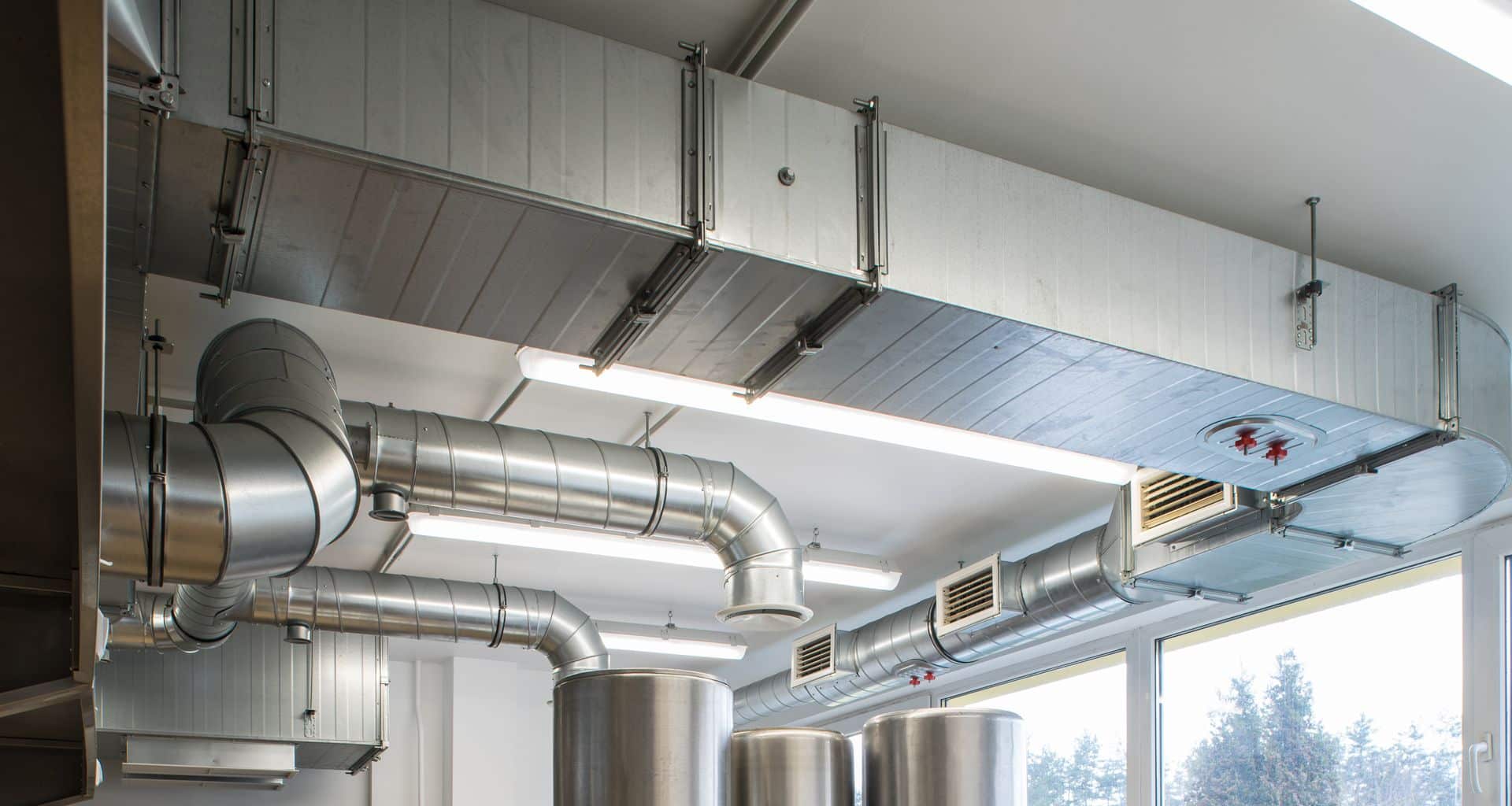
The most important best practices in commercial duct cleaning revolve around containment, source removal, and verification. We follow NADCA’s ACR Standard to ensure debris is physically removed, not redistributed. Anything less leaves contamination inside the system. A professional-grade project typically includes:
- Pre-cleaning inspection with cameras to document baseline conditions.
- Establishing negative pressure using HEPA-filtered collectors vented safely.
- Mechanical agitation with rotary brushes, air whips, or skipper balls sized to duct diameter.
- Cleaning of supply, return, diffusers, grilles, and accessible air handling unit components.
- Post-cleaning verification with photo documentation.
Cost Ranges, Timeframes, and What Influences Your Proposal
When budgeting for commercial air duct cleaning cost in Minneapolis, focus on scope rather than square footage alone. A small office with complex branch ducting can require more labor than a larger open warehouse with simple trunk lines. In our experience, commercial projects may range from $0.25 to $0.50 per square foot for straightforward systems, while heavily contaminated or multi-unit facilities can exceed that range. Total project costs for mid-size office buildings often fall between $3,000 and $12,000, depending on conditions. Key factors that influence pricing include:
- Site complexity, including number of rooftop units, VAV boxes, and vertical risers.
- Material costs for access panels, sealing materials, and filter upgrades.
- Total scope, such as coil cleaning, antimicrobial treatments (when appropriate), and after-hours scheduling.
Get a Clear Cost Assessment for Your Building
If you’re evaluating commercial air duct cleaning cost in Minneapolis, the most reliable next step is a documented inspection. We provide on-site assessments that review duct layout, contamination levels, rooftop units, and access requirements before presenting a clear scope of work. Our team explains what needs cleaning, what can wait, and how to phase the project to protect both indoor air quality and your operating budget. With proper documentation and adherence to recognized standards, you gain transparency and confidence in the investment. Schedule a professional evaluation and receive a detailed breakdown tailored to your building’s actual conditions.
FAQs
How often should commercial air ducts be cleaned in Minneapolis?
Frequency depends on building use, filtration quality, and occupancy levels. In standard office environments in Minneapolis, we often see cleaning intervals of every three to five years when high-quality filters are properly installed and maintained. Facilities with higher particulate loads – such as manufacturing spaces, restaurants, or buildings undergoing renovation – may require inspection annually and cleaning more frequently. Minneapolis winters add another factor. Buildings remain sealed for extended periods, and HVAC systems run continuously for heating. That extended runtime increases dust circulation and can accelerate buildup in return ducts and air handlers. We recommend following NADCA’s guidance: inspect regularly and clean as needed based on contamination levels, not a rigid calendar alone. A camera inspection provides clear visual evidence. If debris accumulations exceed light surface dust or if airflow is restricted, scheduling cleaning protects both system performance and indoor air quality.
What’s included in a commercial duct cleaning project?
A comprehensive project covers more than just the main trunk lines. Professional service typically includes supply and return ducts, branch lines, diffusers, grilles, and accessible components of the air handling unit. We begin with a system inspection and develop an access plan. After establishing negative pressure with HEPA-filtered equipment, we mechanically agitate debris using rotary brushes or compressed air tools sized to the duct dimensions. Technicians clean registers and reinstall them securely. If approved, we may also clean evaporator coils and blower assemblies to restore airflow efficiency. Documentation is part of the process. Before-and-after photos verify results, which is particularly valuable for property managers in Minneapolis handling tenant concerns or lease requirements. A thorough project leaves the system clean, sealed, and functioning as designed – not just superficially improved.
How much does commercial air duct cleaning typically cost?
Commercial air duct cleaning cost in Minneapolis may vary widely based on building layout and system complexity. For straightforward office systems, pricing might range from $0.25 to $0.50 per square foot. Mid-size buildings often fall between $3,000 and $12,000, while larger or heavily contaminated facilities can exceed that range. Three primary variables influence pricing:
- Site complexity, including vertical shafts, multiple rooftop units, and VAV systems.
- Material costs for access doors, replacement filters, and sealing materials.
- Total scope, such as coil cleaning, after-hours labor, and additional verification steps.
Can facility staff handle duct cleaning themselves?
In most commercial settings, full duct cleaning is not realistic for in-house maintenance teams. Effective cleaning requires specialized negative air machines, HEPA filtration, rotary agitation tools, and containment procedures to prevent debris from spreading into occupied areas. Facility staff can support system hygiene by:
- Replacing filters on schedule with properly rated MERV filters.
- Sealing gaps around filter racks to reduce bypass air.
- Keeping mechanical rooms clean to limit dust entry.
What warning signs indicate ducts need cleaning?
Several practical indicators suggest it’s time for inspection. Visible dust blowing from diffusers, uneven airflow between rooms, and persistent musty odors when the system cycles on are common warning signs. Rising energy bills without a clear mechanical failure can also point to restricted airflow inside duct runs or coils. In commercial properties, tenant complaints often surface before management notices physical debris. We’ve seen cases where conference rooms felt stuffy due to partially blocked branch lines serving those zones. If you remove a supply grille and see matted debris or construction residue, schedule an evaluation. In Minneapolis buildings that have undergone remodeling, drywall dust and insulation fibers frequently settle inside ducts. Early inspection prevents buildup from reaching levels that strain blower motors and reduce HVAC lifespan.
Are there unique duct issues in Minneapolis buildings?
Minneapolis buildings experience long heating seasons, which means HVAC systems operate for extended periods. Continuous airflow can gradually move fine dust into return ducts and mechanical components. Older commercial properties with sheet metal ductwork sometimes develop minor leaks at seams, pulling unfiltered air from ceiling plenums. Seasonal construction and tenant build-outs also introduce debris. We often inspect systems shortly after renovations and find drywall dust and sawdust inside branch lines because ducts were not sealed during construction. Winter conditions can create stack effect pressures in taller buildings, drawing particulates into upper-level returns. Regular inspection in Minneapolis helps identify these localized issues before they reduce airflow efficiency or create indoor air quality concerns for tenants.
What should we look for when hiring a duct cleaning contractor?
Start with credentials and methodology. Contractors should follow NADCA’s ACR Standard and use source removal methods with HEPA-filtered negative air machines. Ask for proof of liability insurance and workers’ compensation coverage to protect your organization. A detailed proposal should outline scope, access plans, equipment used, and verification methods. If a contractor cannot explain how they will maintain negative pressure or how debris will be contained, the cleaning may be superficial. In Minneapolis commercial settings, documentation matters. Request before-and-after photos and a summary report. Clear communication about scheduling – especially for occupied buildings – demonstrates professionalism and respect for tenant operations.
When is duct cleaning urgent versus routine maintenance?
Duct cleaning is rarely an emergency service, but certain conditions warrant prompt scheduling. If tenants report visible debris discharging from vents, strong odors when the system starts, or significant airflow imbalance, arrange an inspection soon. After fire, smoke, or water events affecting HVAC systems, cleaning may be necessary to prevent contamination from circulating. Construction projects that leave dust inside ducts also justify timely service. For routine maintenance, plan inspections during lower occupancy periods to minimize disruption. In Minneapolis, many commercial clients schedule work during weekends or seasonal slow periods. Acting early keeps the project controlled and predictable rather than reactive and costly.