
Finding the right heating solution for your space can feel overwhelming. You may have heard about duct furnaces, but aren’t sure what they do or if they’re right for you. Don’t worry; we’re here to break it down in simple terms. These compact heating units seamlessly integrate into your existing ductwork, delivering warmth precisely where you need it most. Whether you’re adding heat to a new addition or upgrading your current system, understanding how these units work will help you make the best choice.
Let’s take a closer look together:
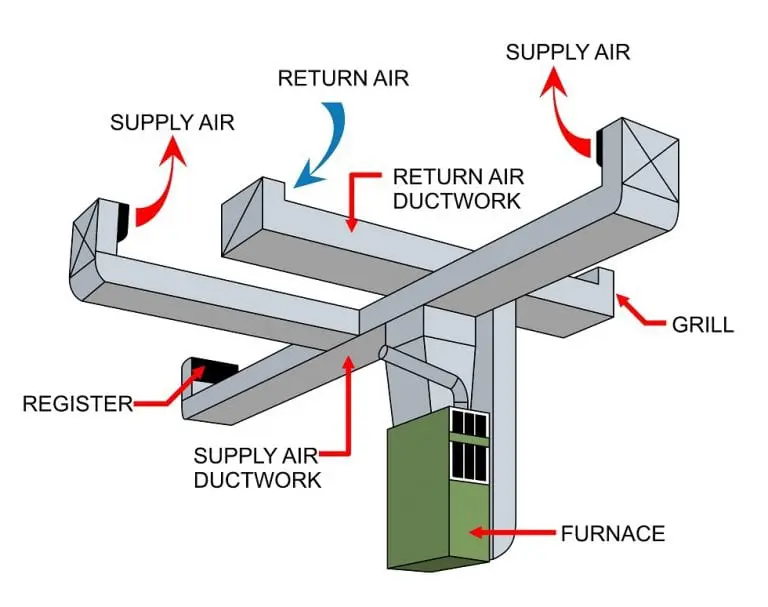
The Basics Of Duct Furnaces
Think of duct furnaces as your heating system’s secret weapon. They sit directly in your air ducts and heat the air as it flows through. Unlike traditional furnaces that take up floor space, these compact heaters integrate seamlessly into your ventilation system. Most people don’t even know they’re there until they feel that cozy warmth flowing through the vents.
The beauty of this setup is its simplicity. Air enters one end, passes over heating elements or burners, and exits warmer on the other side. You can control the temperature with a standard thermostat, just like any other heating system. It’s straightforward, efficient, and gets the job done without fuss.
The Importance of Duct Furnaces
Duct furnaces solve real problems for homeowners and business owners alike. When you need supplemental heat in specific areas, they deliver without requiring a complete system overhaul. They’re also lifesavers when your central heating system needs backup or when you’re working with limited space.
Here’s why they matter:
- They provide targeted heating where traditional systems fall short
- They integrate with existing ductwork, saving you money
- They offer flexibility for additions and renovations
- They work efficiently without taking up valuable floor space
Beyond just heating, these units help maintain consistent temperatures throughout your building. No more cold spots or uneven heating that makes some rooms uncomfortable. They keep everyone happy and your energy bills reasonable.
In What Situations Are Duct Furnaces Used?
You’ll find duct furnaces in all sorts of places. Commercial buildings use them to heat specific zones without running massive central systems. Warehouses love them for keeping work areas comfortable without heating empty spaces. Home additions often need them when extending the existing heating system isn’t practical or cost-effective.
Industrial settings also benefit significantly from this technology. Manufacturing plants use them to maintain proper temperatures for processes and worker comfort. Shops and garages rely on them for spot heating where people actually work. Even agricultural buildings use them to protect sensitive equipment or crops from cold damage.
The versatility really shines in retrofit situations. When adding square footage to your home, running new ducts to your main furnace may not be necessary. That’s where these units step in, offering an elegant solution that integrates seamlessly with what you already have.
The Duct Furnace Installation Process
Getting a duct furnace up and running requires careful planning and execution. First, a technician needs to assess your current ductwork and determine the correct size unit for your space. Too small and you won’t get enough heat. Too large and you’re wasting energy and money. They’ll also verify electrical requirements and ensure that everything complies with local codes.
The actual setup involves cutting into your existing ducts and securing the unit in place. Electrical connections come next, followed by testing to ensure everything operates safely. Most jobs take less than a day, although complex setups may require more time. The good news? Disruption to your daily routine stays minimal.
Why You Need Professional Services
Installing duct furnaces isn’t a DIY weekend project, trust us. Working with heating equipment requires specific knowledge and certifications. Professionals understand airflow calculations, electrical requirements, and safety protocols that keep your family protected. They also know local building codes and can obtain the necessary permits without any headaches.
Licensed technicians carry insurance that protects you if something goes wrong. They have the right tools and experience to spot potential problems before they become expensive disasters. Plus, professional work usually comes with warranties that DIY jobs never offer.
Maintenance Over Time: How To Clean A Duct Furnace
Keeping your heating system running smoothly doesn’t have to be complicated. Start by changing or washing filters monthly during periods of heavy use. Dirty filters force the system to work harder, wasting energy and shortening its lifespan. Set a phone reminder so you don’t forget.
Once a year, schedule a professional inspection. Technicians will check electrical connections, test safety controls, and look for wear on components. They’ll also vacuum out dust and debris that accumulates over time. This annual checkup catches minor issues before they turn into big repair bills.
Between professional visits, keep the area around your unit clear and tidy. Good airflow matters, so don’t let storage or clutter block access. Listen for unusual noises and watch for changes in heating performance; these are early warning signs that something needs attention.
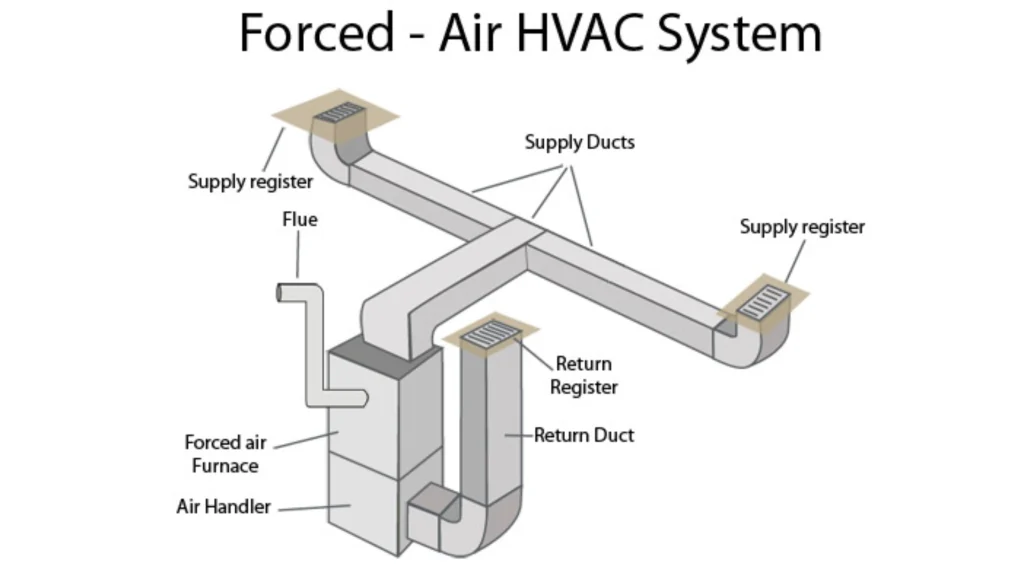
Further Troubleshooting Tips
When problems pop up, start with the simple stuff. Check your thermostat batteries and settings first. Make sure your circuit breaker hasn’t tripped. Verify that all vents in the system are open and unblocked. These quick checks solve many common issues without requiring a service call.
If the system runs but doesn’t heat properly, your filter probably needs changing. Weak airflow often points to blocked ducts or a dirty blower. Strange smells can indicate dust burning off after a period of non-use, or they could signal electrical problems that need immediate attention.
When Things Go Wrong: What To Do With A Broken Duct Furnace
System failures never happen at convenient times, do they? First priority: stay safe. If you smell gas, leave immediately and call your utility company. For electrical issues, shut off power at the breaker. Don’t try to force anything to work – you might make things worse or create dangerous situations.
Call a qualified HVAC technician right away. While waiting, document what happened and any unusual sounds or smells you noticed. This information helps technicians diagnose problems faster. Take photos if you see visible damage. Your service provider will appreciate the details when they arrive.
How To Prevent Further Damage
Once you’ve got professional help coming, focus on protecting what’s left. Turn off the system completely to prevent additional strain on damaged components. Move any valuable items away from the unit in case of leaks or other issues. If there’s water present, try to contain it with towels or buckets.
Don’t attempt repairs yourself, even if you’re handy. Modern heating systems have complex controls and safety features that require specialized knowledge. What looks like a simple fix could be a symptom of a larger problem. Let the professionals handle it and avoid voiding warranties.
Gas-fired Duct Furnaces: The Golden Standard
Most pros consider natural gas duct furnaces the top choice for these heating systems. It burns clean, costs less than electricity in most areas, and delivers powerful heat quickly. The flame provides instant warmth, making your space comfortable faster than electric alternatives. Plus, natural gas remains available even during power outages in many setups.
These units offer excellent efficiency ratings, converting most of their fuel directly into heat. Modern models include safety features like automatic shut-offs and flame sensors that prevent dangerous situations. They’re reliable workhorses that can handle years of daily use with proper care.
Should You Go Electric Or Gas?
The decision between gas or electric duct furnaces depends on your specific situation. Electric models work great where natural gas isn’t available or running gas lines would be too expensive. They’re quieter during operation and don’t require venting for combustion gases. Some people prefer them for their simplicity and lower upfront costs.
However, electric units typically cost more to operate over time. They also require substantial electrical service, which might mean upgrading your panel. Consider your local utility rates, available fuel sources, and long-term plans for the space before deciding. A good HVAC contractor can run the numbers and help you choose wisely.
Final Thoughts
Duct furnaces bring efficient heating to spaces that challenge traditional systems. They’re practical solutions for additions, commercial spaces, and anywhere you need reliable warmth without major renovations. With proper care and professional support, these systems deliver years of comfortable, cost-effective service.
Remember that quality matters more than price when selecting equipment. Invest in professional setup and regular upkeep to protect your investment. Whether you choose natural gas or electric, the right system matched to your needs will keep you comfortable for years to come.
FAQ
Q1: How much does a duct furnace typically cost?
Installation costs vary widely based on your situation. The unit itself costs between $300 and $1,200. Complex setups with electrical upgrades or extensive ductwork modifications cost more. Get at least quotes from licensed contractors to find fair pricing in your area.
Q2: How long will my duct furnace last before needing replacement?
With proper maintenance, you’re looking at 15 to 20 years of reliable service. Some well-maintained units push past 25 years. The key is annual, professional inspections and regular filter changes. Cheap units usually only last 10 years, so investing in quality equipment pays off. Keep maintenance records – they help technicians spot problems early and extend your system’s life.
Q3: Can these units work with any duct size I have?
Not quite. Your duct size needs to match the unit specifications. Most residential systems use 14-inch to 20-inch round ducts or equivalent rectangular sizes. A technician measures your existing ductwork and recommends compatible units. Installing the wrong size creates airflow problems and inefficiency. Sometimes minor duct modifications make installation possible, but your contractor will assess that during the estimate.
Q4: How noisy are duct furnaces during operation?
They’re surprisingly quiet compared to older heating systems. Most modern units produce 40 to 60 decibels – similar to normal conversation levels. Gas models make slight whooshing sounds when the burner fires up. Electric versions run even quieter. Proper installation matters, though. Loose connections or poor mounting create rattling. Quality units with good insulation keep noise minimal and unobtrusive.
Q5: Are duct furnaces energy efficient compared to traditional furnaces?
They’re efficient when used correctly. Gas models achieve efficiency ratings of 80% to 95%. Electric units convert nearly 100% of energy to heat, though electricity costs more. The real efficiency comes from zone heating – you’re only warming specific areas, rather than your entire building. This targeted approach saves a significant amount of money on utility bills over time.
Q6: Do I need a permit for duct furnace installation?
Most areas require permits for the installation of heating equipment. Your contractor typically handles the paperwork and fees. Permits ensure work meets safety codes and protects your home value. Skipping permits may seem tempting, but it creates problems when selling your property or filing insurance claims. Budget an extra $50 to $200 for permits. Reputable contractors won’t start work without proper authorization.