
Professional HVAC Duct Leak Detection Services: Stop Losing Air & Money
March 17, 2026
- By
- American Air Duct Pros
- HVAC and Air Duct Specialists
Many homeowners assume that if their HVAC system powers on and cools or heats effectively, the ductwork must be fine. At American Air Duct Pros, we’ve learned that hidden air leaks tell a very different story. Over the years, our team has identified countless systems wasting money due to small gaps and loose connections invisible to the naked eye. Proper detection and sealing prevent unnecessary strain on your HVAC equipment and improve indoor comfort. We once inspected a property where a family’s utility bills jumped dramatically even after replacing their air conditioner. The issue? A single leaking return duct buried in the attic. Air leakage can cost hundreds annually and shorten your system’s life. Visit our air duct repair page to learn how expert leak detection helps cut energy waste and protects your investment.
Understanding Codes and Best Practices for Leak Detection
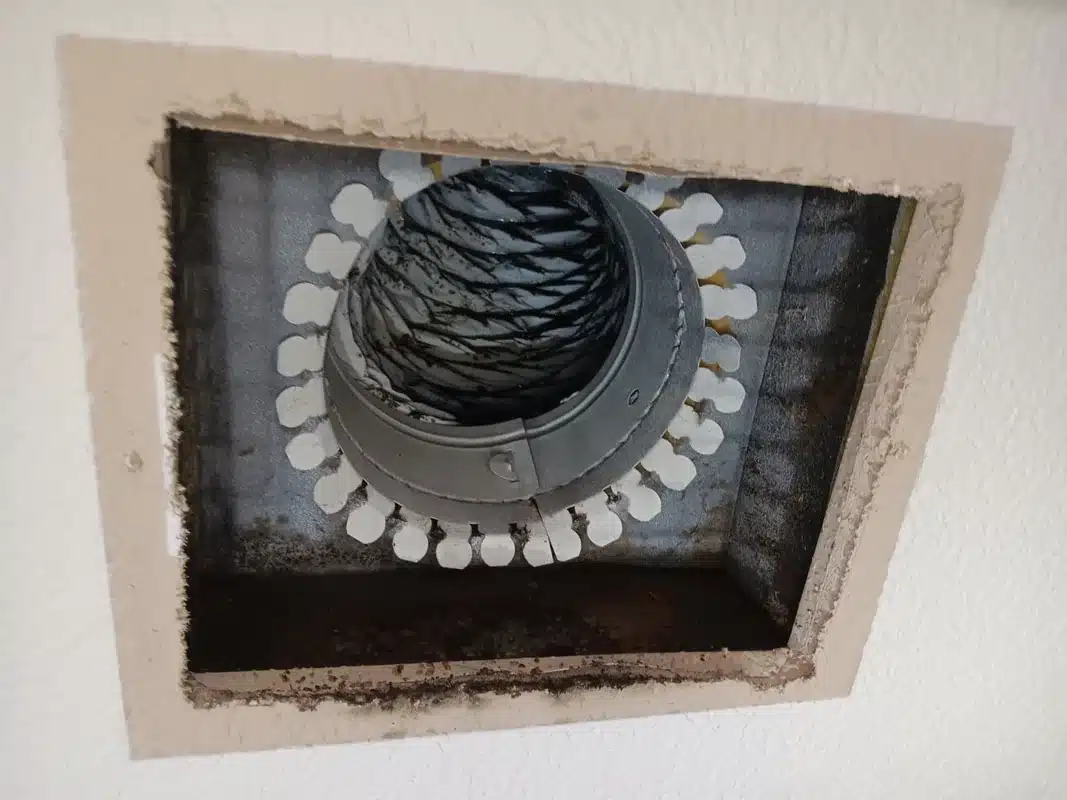
The most effective leak detection services follow governed technical standards to ensure safety, compliance, and energy efficiency. Professionals rely on both diagnostic precision and adherence to code to deliver results that last. Neglecting leak repairs can reduce HVAC efficiency by up to 40% and trigger inspection failures during property transactions or insurance audits. Key industry standards and codes include:
- ASHRAE Standard 90.1 (2025) – Sets minimum energy efficiency requirements for duct sealing and insulation. Requires verified leakage testing post-installation. Consequences: Higher utility costs and failed energy audits.
- International Mechanical Code (IMC 2025, Section 603.9) – Mandates all duct joints and seams be mechanically fastened and sealed with approved materials. Consequences: Failed building inspections, reduced indoor air quality, and system imbalance.
- Residential Energy Services Network (RESNET) ANSI/RESNET/ICC 380-2022 – Defines duct leakage testing procedures using calibrated fans and pressure gauges to measure leakage rates. Consequences: inaccurate efficiency ratings and noncompliance with energy certification programs.
Recognizing the Signs and Planning Your Service
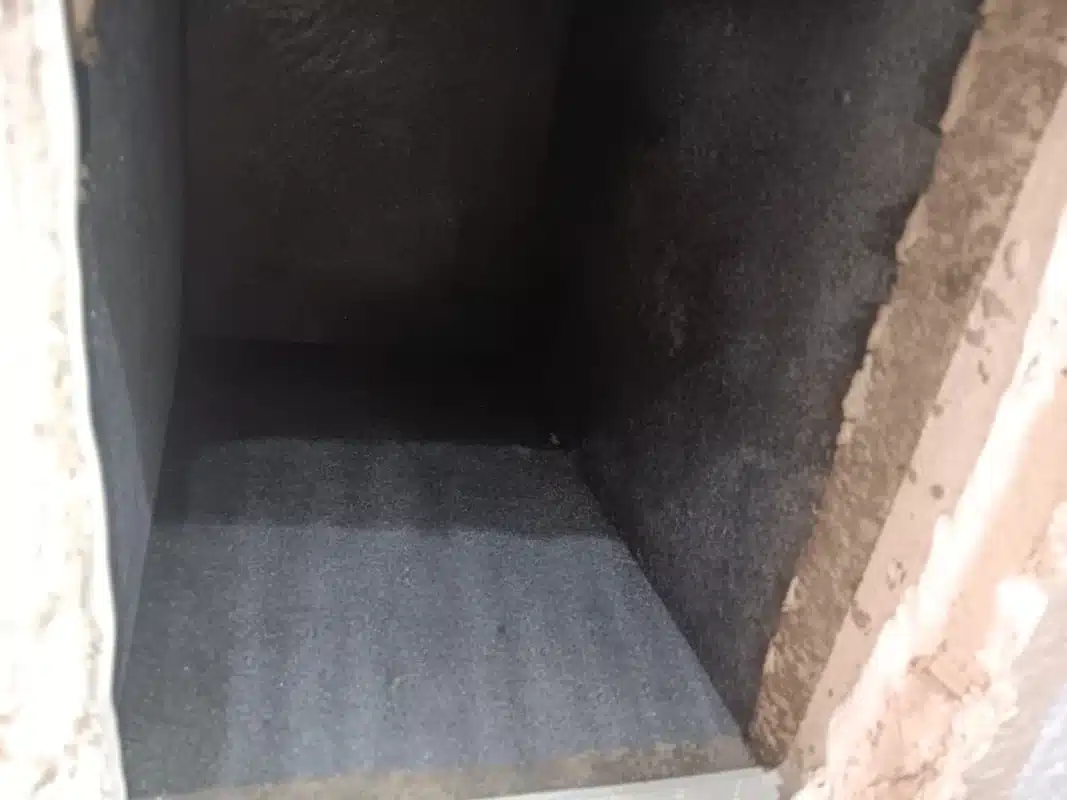
Homeowners across our community often discover the value of professional duct leak detection when they see unusual patterns such as uneven heating, rising energy bills, or excess dust in the home. By addressing these issues locally, you directly improve household comfort while helping reduce wasted energy within your neighborhood. Scheduling a certified inspection ensures that your HVAC system operates efficiently and maintains consistent temperatures in every room. Many local homeowners are surprised to learn that even small duct leaks can cause a significant drop in system performance. In one recent case, a resident suspected a thermostat glitch, but the real cause was disconnected ductwork hidden in the attic. Once sealed and verified, their HVAC ran more quietly and used around 20 percent less energy each month. Choosing a nearby leak detection specialist also supports the local economy and ensures quicker response times. Projects typically range from $300 to $800 and take about 2 to 5 hours depending on system size, accessibility, and the extent of sealing needed. You gain cleaner air, lower utility costs, and a system tuned for long-term reliability. Our team follows Lennox and Carrier standards to guarantee optimal results. For connected home comfort solutions, visit our air duct installation service page or explore our professional HVAC and air duct cleaning options locally.
Schedule a Professional Duct Leak Assessment
Leaking ducts can quietly steal your comfort and money every single month, forcing your HVAC system to work harder while delivering less. American Air Duct Pros specializes in professional testing, pinpoint leak detection, and precision sealing that restores airflow balance, boosts efficiency, and lowers your energy bills. Every service is performed by trained experts who use trusted equipment to ensure lasting results. Ignoring duct leaks only leads to higher costs, uneven temperatures, and extra strain on your system. Take action now and schedule your comprehensive duct inspection today. The sooner you call, the sooner you can enjoy cleaner air, steady comfort, and real savings throughout your home or business. Do not wait – contact us now.
FAQs
How do HVAC duct leak detection services work?
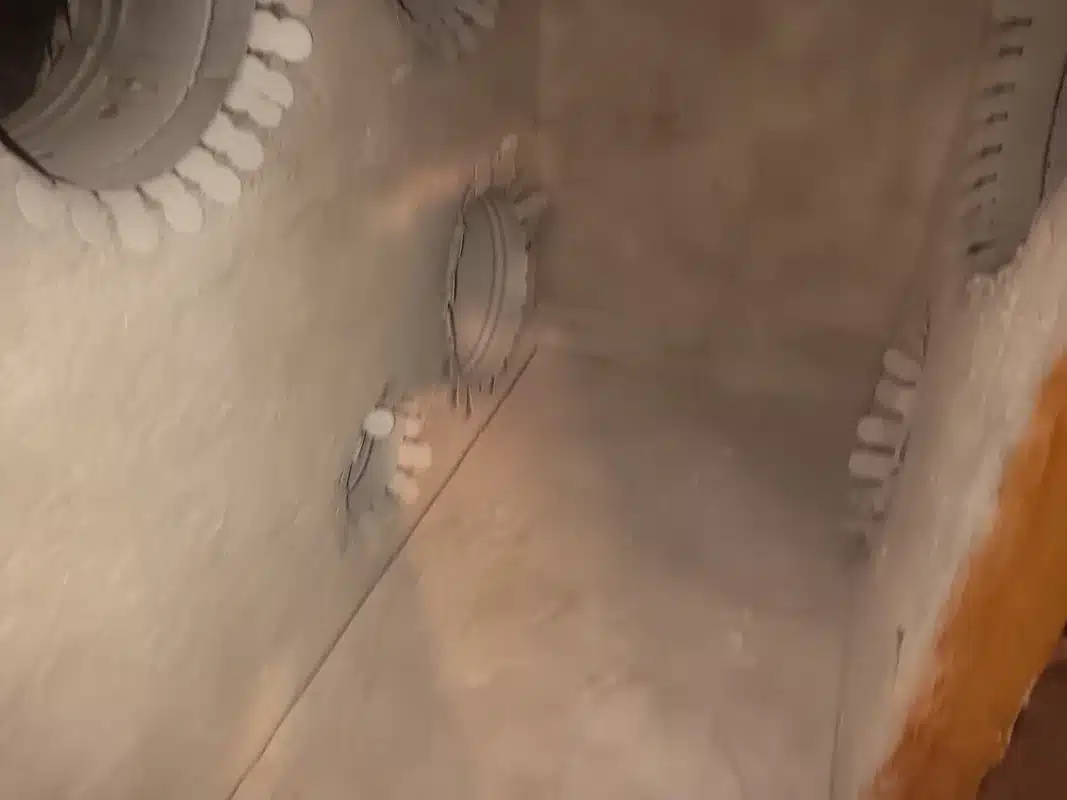
Professional HVAC duct leak detection services employ advanced diagnostic tools and proven testing methods to locate and measure air leaks throughout your ductwork system. Certified technicians use specialized equipment such as duct blasters, pressure gauges, and digital manometers to pressurize the duct system and accurately detect even the smallest leaks that could be costing you money in wasted energy. By tracking changes in airflow and pressure, they can identify weak connections, loose joints, and punctures that are often hidden from view. Once leaks are mapped out, technicians recommend sealing them with UL 181-rated mastic sealant or durable foil-backed tape to ensure long-term performance. Proper leak detection and sealing help maintain balanced airflow, improve comfort, lower energy bills, and reduce contaminants entering your home’s air supply. Comprehensive reports document findings for energy audits or home sales verification.
How can I tell if my ducts are leaking?
Common signs of duct leaks can appear subtle at first but often lead to major efficiency problems if ignored. Uneven temperatures in different rooms are one of the most common indicators since leaking ducts allow conditioned air to escape before reaching certain areas. You might also notice excessive dust collecting on surfaces or drifting from vents, which happens when leaks pull in unfiltered air from attics or crawl spaces. Rising utility bills without any change in your heating or cooling habits are another warning sign. Sometimes a faint hissing, whistling, or rattling noise may come from the ductwork, signaling escaping air or loose connections. You can compare airflow at several registers – large differences suggest leakage. Schedule professional duct testing to measure pressure loss and ensure proper sealing for consistent comfort and improved energy efficiency throughout your home.
How much do HVAC duct leak detection services cost?
HVAC duct leak detection services typically cost between $300 and $800, depending on several key factors such as system design, total duct length, materials required for sealing, and overall accessibility. Homes that feature complex duct layouts or difficult-to-reach attic and crawl-space installations are generally positioned toward the higher end of the cost range. In contrast, smaller or more modern systems with easier access points may result in lower expenses. Important elements that influence overall pricing include the number and length of duct runs, the ease of accessing crawl spaces or attic areas, and the specific materials required for effective sealing. Common sealing supplies include mastic, foil-backed tape, and appropriate insulation. These estimated costs serve only as general guidelines rather than guaranteed prices, as each property has unique conditions. A professional on-site inspection is essential for producing an accurate, customized proposal.
Can homeowners detect duct leaks themselves?
Homeowners can perform simple inspection tasks to evaluate their duct systems, such as feeling for air drafts around exposed joints, vents, and registers, or checking the attic and crawl spaces for disconnected or damaged ducts. These steps can provide helpful clues, but a complete assessment of the duct network requires pressurization tests and professional-grade diagnostic tools. While do-it-yourself sealing can reduce small leaks with foil tape or mastic sealant, it rarely reaches hidden gaps behind drywall, soffits, or insulation layers. Certified professionals use calibrated duct blasters, smoke pencils, and digital manometers to pinpoint exact problem areas and measure overall air loss. This approach not only verifies system integrity but also provides data needed to meet modern energy efficiency guidelines. Homeowners should perform routine visual checks after renovations and schedule professional testing every few years to maintain comfort, safety, and reduced utility costs.
What are the warning signs that I need duct leak detection?
Warning signs of duct leaks or airflow problems can appear in several noticeable ways. Rooms may feel uneven in temperature, with some areas staying too hot while others remain uncomfortably cold. You might also experience a sudden and unexplained spike in your monthly energy bill, which often signals that your heating or cooling system is working harder than it should. Another common indication is a buildup of dust or lingering odors that seem to spread quickly throughout your home. In addition, the HVAC system could start running longer cycles, suggesting that conditioned air is escaping through hidden gaps in the ducts. Sometimes increased noise or vibration can develop as airflow pressure shifts inside the system. Each of these issues points to potential air loss and reduced efficiency. To protect performance and comfort, contact a qualified technician for a detailed inspection and leak test right away.
What are the most common causes of duct leaks?
Duct leaks are a frequent problem that can significantly reduce heating and cooling efficiency if not addressed properly. The most common causes include poor installation techniques, deterioration of materials with age, vibration from regular system operation, and even interference from rodents or other animals in crawl spaces or attics. Over time, shifting temperatures create thermal expansion and contraction, which can crack or loosen the sealant at duct joints. In many older homes, the use of cloth-backed tape or aging mastic compounds contributes to separation at seams and air leakage. Some contractors may neglect to mechanically fasten ducts, leading to movement that weakens connections. Even small gaps can waste a surprising amount of conditioned air, forcing the HVAC system to work harder, consume more energy, and operate less efficiently. Regular inspections by qualified professionals help identify early warning signs and allow prompt repairs. Resealing ducts with UL 181-rated tapes or mastics prevents ongoing energy loss, improves system performance, and maintains building code compliance. Taking these preventive steps ensures comfort, better air quality, and dependable long-term efficiency for your entire heating and cooling system.
What should I look for when hiring a duct leak detection company?
When selecting a duct leak detection company, it is important to choose professionals who are properly trained and certified through respected organizations such as the Air Conditioning Contractors of America (ACCA) or North American Technician Excellence (NATE). Certification shows that technicians meet industry performance standards and understand the latest testing and sealing methods. Always confirm that the company maintains valid liability insurance and complies with established ENERGY STAR and ASHRAE efficiency guidelines, since these help ensure safe and effective work. Ask specifically about the tools and technology they use – reliable contractors employ advanced diagnostic instruments like calibrated digital manometers, duct blasters, and smoke pencils to measure airflow and pressure losses. A trustworthy company will present detailed documentation, including quantified test results, photographs if possible, and written warranties for the sealing work performed. Additionally, review independent customer testimonials and verify that the business holds proper state or local licensing. Experienced professionals will take time to explain their procedures, describe potential improvements, and provide a clear written report summarizing leakage locations, severity, and recommended next steps. Taking these measures helps protect both your investment and your home’s long-term energy efficiency.
What should I do if I suspect a major duct leak?
Turn off your HVAC system immediately to prevent conditioned air from escaping into crawl spaces, attics, or wall cavities. Allowing the unit to keep running during a leak can waste energy and introduce unwanted moisture or dust into your home. When safe to do so, inspect any visible duct sections for loose connections, holes, or torn insulation. Avoid using cloth tape or makeshift materials as a quick fix, because improper sealing often hides the problem instead of resolving it. Schedule a licensed HVAC technician promptly – professionals use specialized pressure testing and diagnostic tools to pinpoint precise leak locations and confirm the integrity of the entire duct network. Postponing repairs can cause higher energy bills, biological growth from condensation, and unnecessary strain on compressors, fans, and coils. Timely detection and expert restoration preserve comfort, improve air quality, and extend equipment lifespan.