
Hey there! If you’re tired of dealing with sneezing fits, allergies, or want cleaner air at home, you’ve come to the right place. A whole house air purifier might be precisely what you need. Unlike portable units that clean just one room, these systems work in conjunction with your existing HVAC system to filter the air throughout your entire home. Let’s explore how they can improve the air quality in every corner of your house.
How Whole House Air Purifiers Work
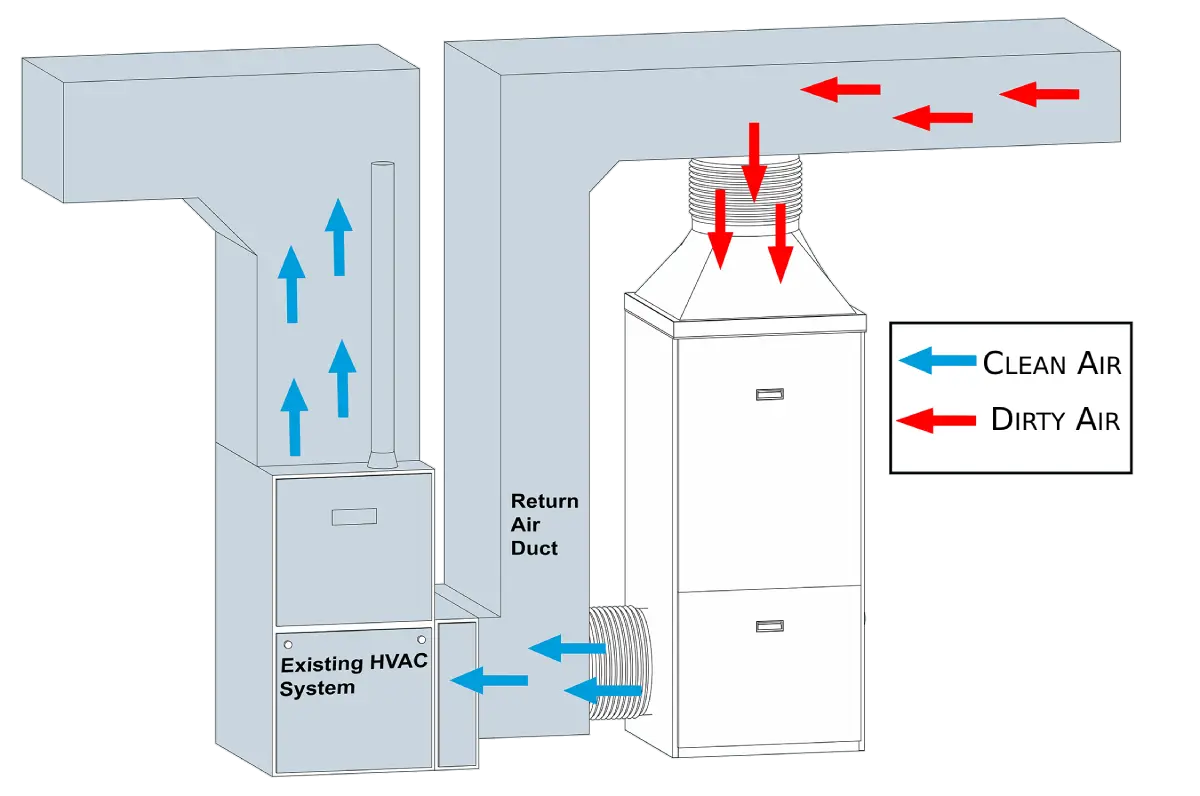
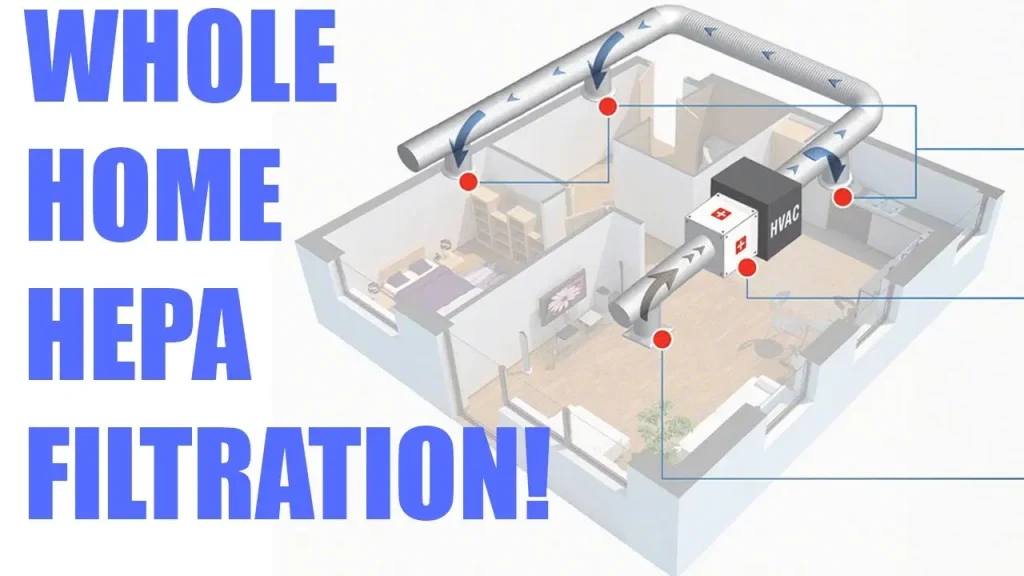
Whole house air purifiers connect directly to your existing HVAC system. When your heating or cooling kicks on, all the air passes through the purification system before flowing into your rooms. This process occurs constantly whenever your system is running.
The beauty of this setup is that you don’t need multiple devices scattered around your home. One system cleans all the air that moves through your vents. Additionally, most systems are typically hidden away in your utility room or basement, so they don’t occupy any living space or generate extra noise where you sleep or relax.
HVAC Whole House Air Purifiers and In-Duct Systems
These systems fit right into your air ducts or attach to your furnace. Installation is straightforward for a professional, though it’s not typically a DIY project.
The filtration happens as air passes through your ductwork. Some systems use multiple cleaning methods at once. For example, they might combine a physical filter with UV light technology. This dual approach tackles both particles and germs to provide immaculate air throughout your entire home.
Types of Air Filtration Systems for Your Home
Not all whole house air purifiers work the same way. Different technologies target different air quality issues. Your best choice depends on what bothers you most about your indoor air.
HEPA Whole House Air Purifier Options
HEPA filters are the gold standard in air filtration. They catch super tiny particles like:
- Dust mites and their waste
- Pet dander from cats, dogs, and other furry friends
- Pollen that sneaks in from outside
- Mold spores before they can settle
- Smoke particles from cooking or fireplaces
True HEPA filters catch 99.97% of particles as small as 0.3 microns. That’s crazy small! For comparison, a human hair is about 70 microns thick. Some whole-home systems use HEPA-type filters that are almost as effective, but allow better airflow through your HVAC system.
UV Light Air Purification Technology
UV purifiers use light to kill germs rather than just trapping particles. They’re great for homes with people who get sick often or have weakened immune systems.
The UV light damages the DNA of bacteria, viruses, and mold as they pass through. This technology works really well when paired with a good filter system. The filter catches the particles, and the UV light zaps any germs that might be living on them. It’s like a one-two punch against indoor air pollution!
Benefits for Indoor Air Quality and Clean Air
Installing a whole house air purifier can seriously upgrade your home life. Many people notice they sleep better, sneeze less, and feel healthier overall after installing one.
These systems remove the invisible stuff floating around that can trigger allergies and asthma. They also help with those funky smells from cooking, pets, and musty areas of the house. The result is fresher air that just feels cleaner when you breathe. Many folks also report less dust settling on furniture, which means less cleaning for you!
Central Air Purifier vs Portable Air Purifier
Portable air purifiers are great for small spaces or apartments. They work well in single rooms but struggle to clean the air in your entire home. A whole house air purifier handles every room at once without taking up floor space.
Central systems also run more quietly since they’re typically installed away from living areas. You’ll hardly know they’re working! The initial cost is higher than buying a portable unit, but you’re treating your whole home instead of just one room. Plus, you only need to replace one filter instead of several from multiple portable units.
Choosing the Right System to Protect Your Home
Picking the perfect whole house air purifier depends on a few key factors. First, consider the size of your home. Bigger houses need systems with higher air flow capacity.
Next, think about your specific air quality concerns. Do you have pets? Live in a high pollen area? Have family members with asthma?
Different filtration methods target different problems. Many homeowners find that combination systems offer the most complete air cleaning solution.
Lastly, don’t forget about maintenance. Some filters need replacing every few months, while others last a year or more. Factor these ongoing costs into your budget when shopping. The right system should fit both your air quality needs and your lifestyle!
FAQs: Whole House Air Purifier Questions Answered
How much does a whole house air purifier typically cost?
A quality whole house air purifier ranges from $500 to $1,500 for the unit itself, plus installation costs of $300-$600. High-end systems with advanced features can reach $2,000+. While this seems steep compared to portable units, remember you’re cleaning your entire home with one system. Many homeowners see it as a worthwhile investment in their health and comfort.
Can I install a whole house air purifier myself?
Most whole house air purifiers require professional installation. These systems integrate with your existing HVAC setup, often needing electrical connections and duct modifications. DIY installation could void warranties or lead to improper performance. A certified HVAC tech will ensure your system works correctly and safely. The good news? Installation typically takes just 2-4 hours for most homes.
Will a whole house air purifier increase my energy bills?
Most modern whole house air purifiers are designed for energy efficiency, typically adding just $5-$15 to monthly utility bills. The exact impact depends on your system type, home size, and how often your HVAC runs. HEPA systems might slightly reduce airflow, causing your system to work a bit harder. UV systems use minimal electricity, comparable to running a light bulb.
How often do filters need to be replaced?
Filter replacement varies by system type. Basic air filters need changing every 1-3 months. Medium-efficiency filters last 3-6 months. High-efficiency HEPA-type filters typically require replacement every 6-12 months. UV bulbs generally last 1-2 years before needing replacement. Many newer systems include indicator lights that tell you exactly when maintenance is needed, taking the guesswork out completely.
Are whole house air purifiers effective for asthma and allergies?
Whole house air purifiers can significantly help asthma and allergy sufferers. HEPA filtration systems remove up to 99.97% of common triggers like pollen, dust mites, and pet dander. Many users report fewer symptoms, better sleep, and reduced medication needs. For best results, choose a system designed specifically for allergen removal and maintain it properly with regular filter changes.
Will a whole house air purifier work with my existing HVAC system?
Most whole house air purifiers can be adapted to work with existing HVAC systems, but compatibility depends on your current setup. Factors include your ductwork size, furnace type, and available space near your air handler. Some older systems may need modifications. A professional HVAC technician can evaluate your system and recommend compatible options during a consultation.